Loading…
Destination Guide
Ranthambore
4.3
1 Days
15 Attractions
About Ranthambore
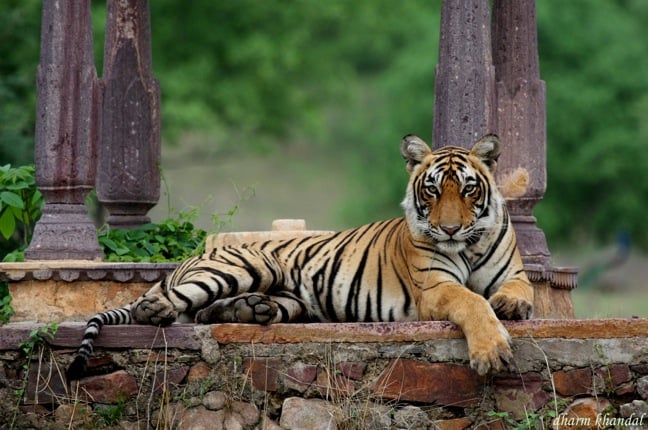
Ranthambore is one of the best tiger reserves in India, known to have friendly tigers with reasonably better sighting chances than many other reserves. Nestled in the foothills of the Vindhya and Aravalli Hills, this national park has one of the richest flora and fauna, making it an absolute must-visit. The 10th-century Ranthambore Fort
Bharath Explorer
Interactive India Map
Loading Bharath Explorer…
The Collection
15 placesTop Attractions
—
·1,308 km from city centerRanthambore Tiger Reserve
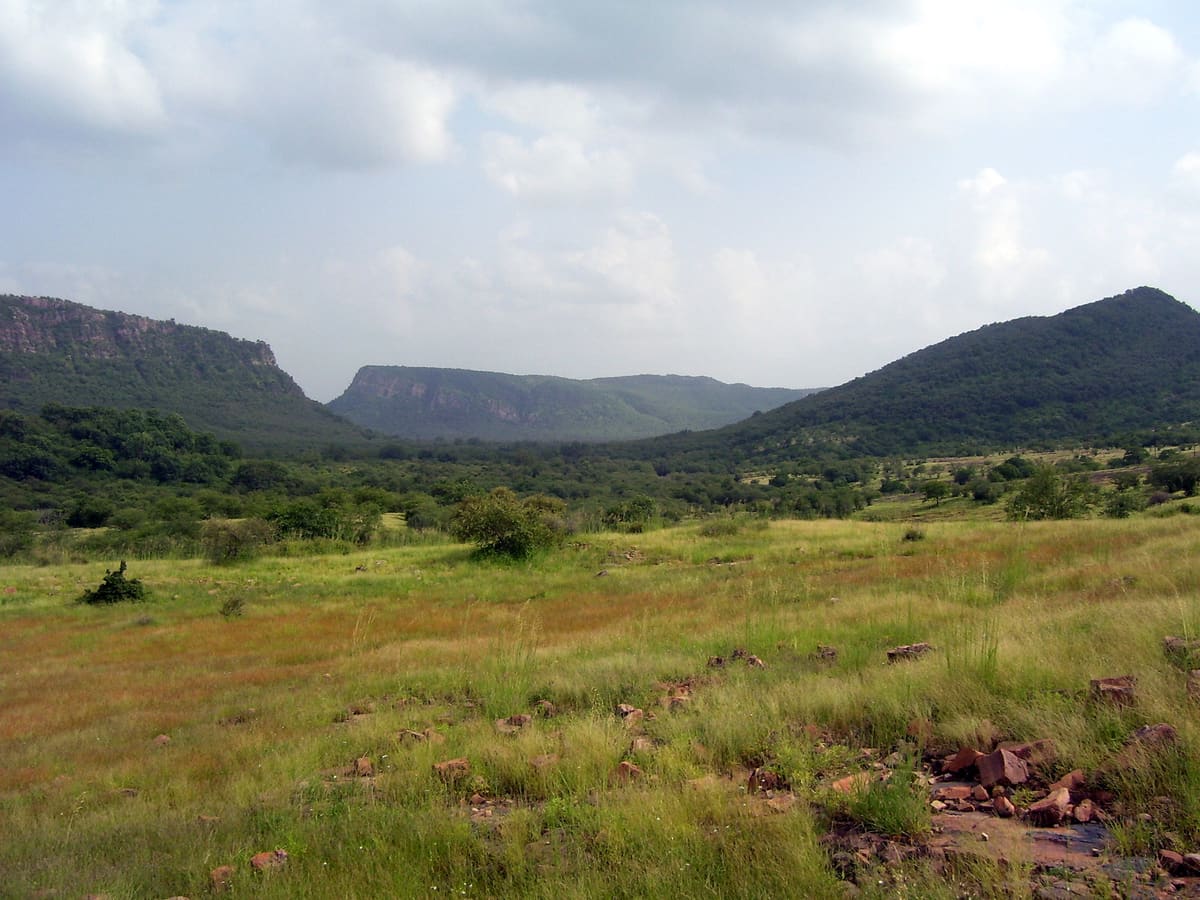
Spread in an area of 392 sq. Km, the Ranthambore Tiger Reserve is one of the largest and famed tiger reserves in the country, famous for the magnificent Bengal Tiger found there. The Ranthambore Tiger Reserve derives its name from the Ranthambore Fort located in the region. Situated in the Sawai Madhopur district of Rajasthan, it forms a part of Pr
View Details

4.6
·13 km from city centerJeep Safari
Jeep Safari is the best way to explore the various zones of the Ranthambore National Park. Jeep safaris need to be booked well in advance to ensure availability.
View Details

3.6
·5 km from city centerRanthambhore Fort
Ranthambore Fort lies in the reserve itself though you need not buy a ticket to get into the reserve to see the fort. The fort is situated higher up and the view from it is quite amazing.
View Details

3.6
·0 km from city centerGanesh Trinetra Temple
One of the most famous temples of Lord Ganesha is located atop the fort. The local post office receives and delivers thousands of invitation cards to the Lord Ganesha temple as people symbolically send the first invitation card for major functions like weddings, house warming, etc. to Lord Ganesh.
View Details

—
·0 km from city centerWildlife Safari
Wildlife Safari at Ranthambore is a famous activity amongst nature and wildlife lovers where one can see various species in their natural habitat. The Ranthambore National Park has separate safaris to explore the park in separate zones. One of the favourite is the one to see the majestic tiger in its natural habitat.
View Details

—
·0 km from city centerSurwal Lake
A beautiful natural water body, Surwal Lake is a treat to the tired eyes. It is located inside the Ranthambore National Park and the mesmeric surroundings make the attraction worth a visit. The region is also famous for bird watching and one can observe a number of migratory birds during the winter season.
View Details

—
·5 km from city centerJogi Mahal
Located within a 500 metres distance from the famous Ranthambore Fort in Rajasthan, Jogi Mahal is the iconic hunting lodge built by the royalties of Jaipur for their entertainment and recreation. It stands by the beautiful lake, called Padam Talao, inside the Ranthambore National Park, which gets its name from the blooming lotuses in the water. The
View Details

—
·0 km from city centerAkaula Region
Akaula Region is the most densely forested region in the wildlife reserve. It has a number of pools and waterholes which keep the temperature low at all times making it a perfect habitat for several species that thrives in a cool environment.
View Details
—
·0 km from city centerRaj Bagh Ruins
Raj Bagh Ruins is an enchanting monument inside the Ranthambore National Park. It is situated on the banks of Raj Bagh Lake and is a preferred shelter for the wildlife, especially the tigers. The rustic structure amidst the beautiful dense forests and serene lakes is worth exploring. It is also an apt location for photography.
View Details
3.2
·8 km from city centerKacheeda Valley
Kachida Valley is also inside the reserve. Panther population of the reserve resides here. You will have to reach this valley via the jeep safari. Panthers don't usually leave this area in order to avoid conflict with the tigers. Bears are also found here.
View Details

—
·0 km from city centerLakarda and Anantpura
Lakarda and Anant Pura are the regions with dense forests and ample honeycombs. They are most visited to spot sloth bears. Pugmarks of the Indian Hyenas are also found here at times but the animal is rarely spotted because their population is less in the park.
View Details

—
·0 km from city centerMalik Talao
The smallest of the three lakes in the National Park, Malik Talao is a serene natural water body where most of the wildlife activities can be seen. The majestic Indian Marsh Crocodile can be spotted here often along with other bird and animal species.
View Details

—
·13 km from city centerRanthambore School of Art
A visit to the Ranthambore School of Art is a must for art lovers. It is a school of arts where the students always strive to conserve and promote their culture. Most of the artwork found here are marvellous paintings of the majestic Tiger created using different techniques of painting.
View Details

—
·5 km from city centerPadam Lake
Padam Lake is the largest lake in the Ranthambore National Park. The water body is visited by most of the animals in the mornings. This is one of the few places where Chinkaras can be spotted. Most animals hunt around this lake which makes it the best location for wildlife photography. The Padam Lake is filled with Lotus bloom during monsoons, henc
View Details

—
·14 km from city centerDastkar Ranthambore
Dastkar Ranthambore is an initiation founded to resettle the people who were made to relocate after the Ranthambore National Park was established. This non-profit organisation helps these communities to create a source of income by reviving local art and crafts like pottery, leather artefacts, tie & dye, block-printing, patchwork etc. by providing
View Details
Rating
4.3/ 5.0
Best Time
Duration1 Days
Attractions15
Plan Your Escape
Secure the Best Rates
Hotels
Booking.com
1M+ properties
Flights
Google Flights
Compare all airlines
Tours
Klook Deals
100K+ activities
Experiences
Viator
400,000+ experiences
Almanac earns a small commission at no extra cost to you.