Loading…

Destination Guide
Pune
4.1
1-3 Days
15 Attractions
About Pune
Pune is the cultural capital of Maharashtra and the Oxford of the East — home to many prestigious educational institutions. Located on the banks of Mutha River at 560m, it blends old-world Maratha heritage with modern IT culture. The Shaniwar Wada

Bharath Explorer
Interactive India Map
Loading Bharath Explorer…
The Collection
15 placesTop Attractions
4.3
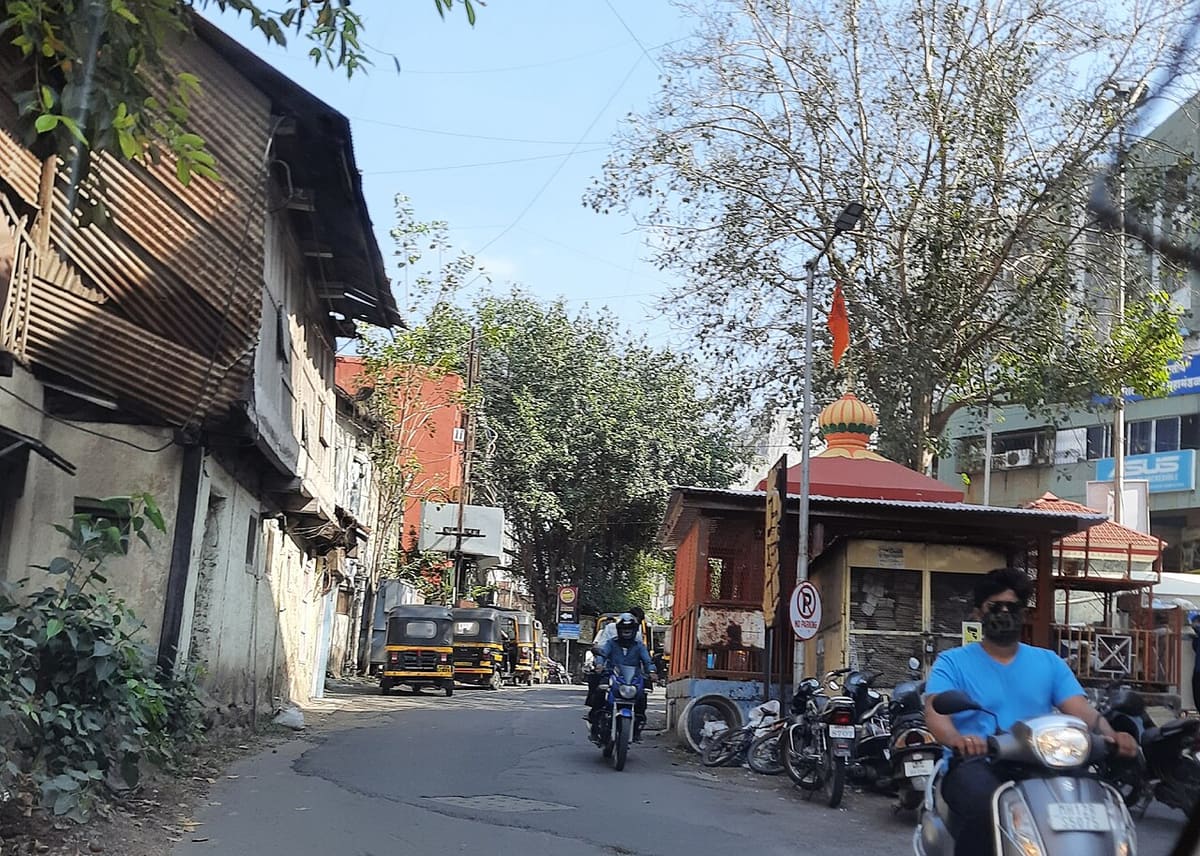
·0 km from city centerShaniwar Wada
Standing tall in its full glory, Shaniwar Wada was once a stately mansion. Built as a dwelling for Peshwas, its foundation was laid by Bajirao I in year 1730 AD. Today it gives a chance to peak into its great past.
View Details
4.4
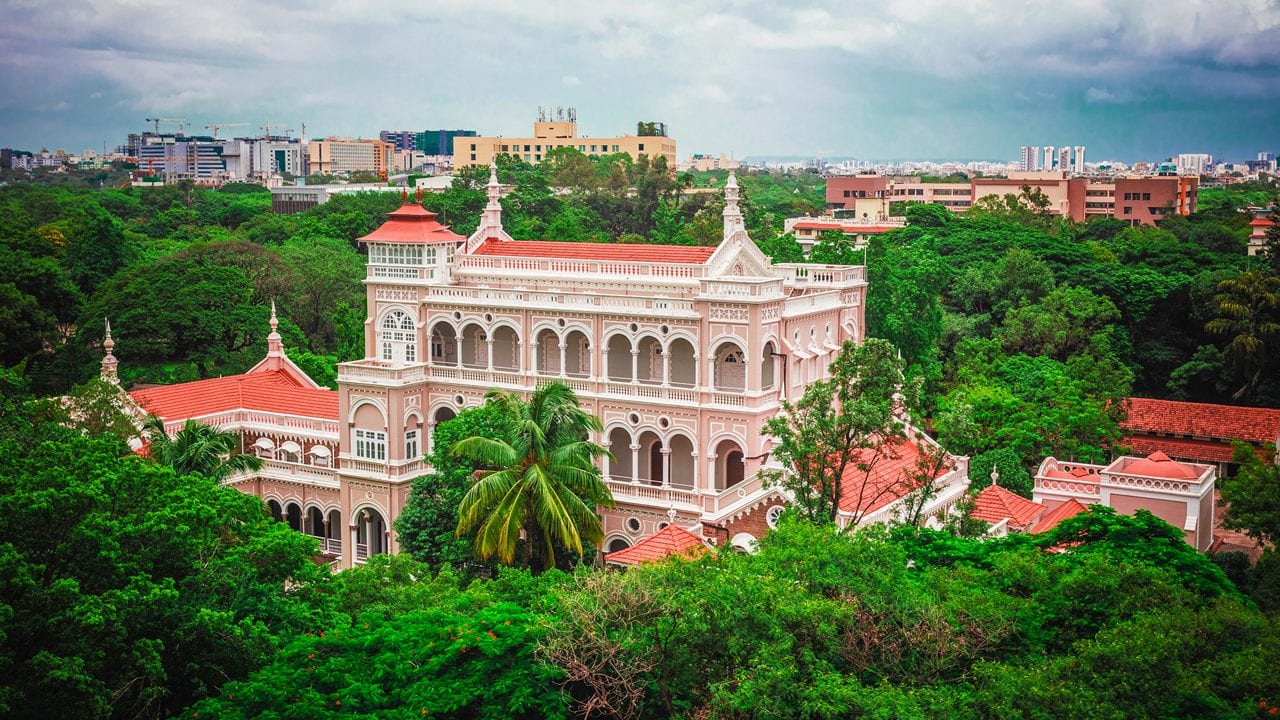
·6 km from city centerAga Khan Palace
Aga Khan Palace is well known both for its architectural excellence as well as its historical significance. Spread over a vast land of 19 acres, the palace is now the headquarters of the Gandhi National memorial society. Here, making khadi is still one of the prime activities.
View Details
4.2
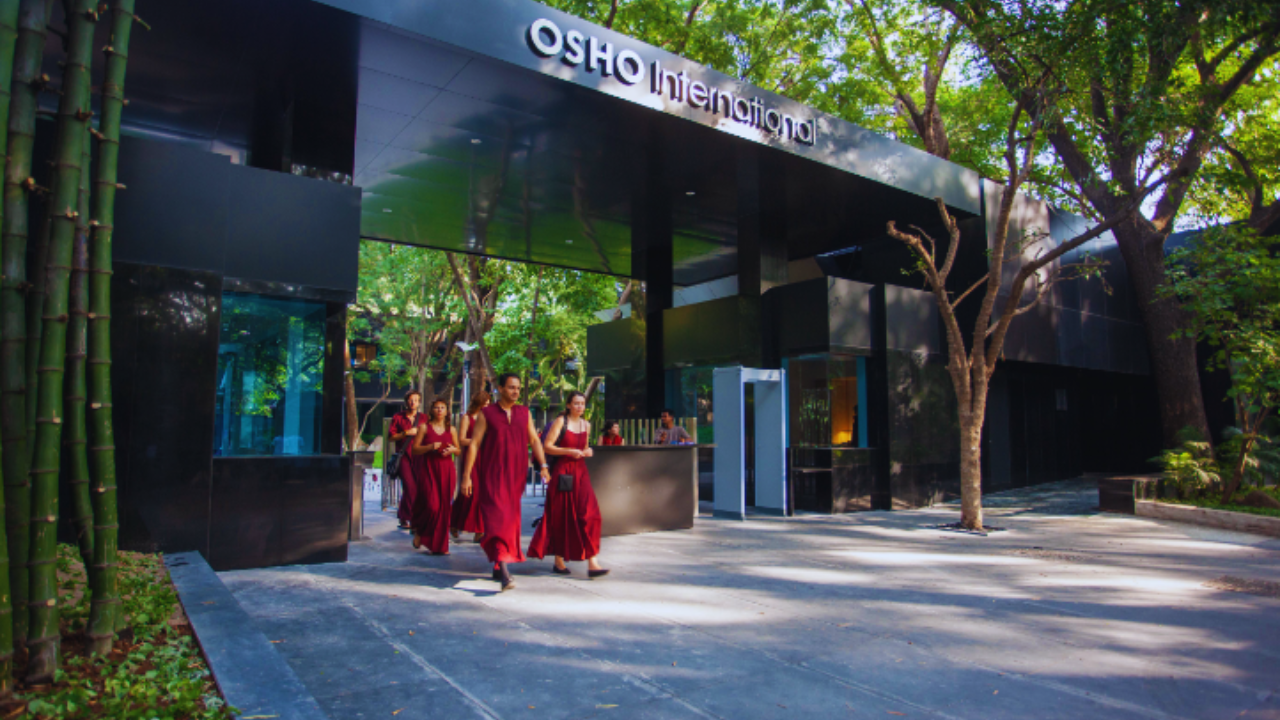
·4 km from city centerMeditate at the Osho Ashram
The Ashram is a tranquil place which brings you to you own centers of peace, meditation & oneness. The ideologies of Osho also can be found here.
View Details
4.2
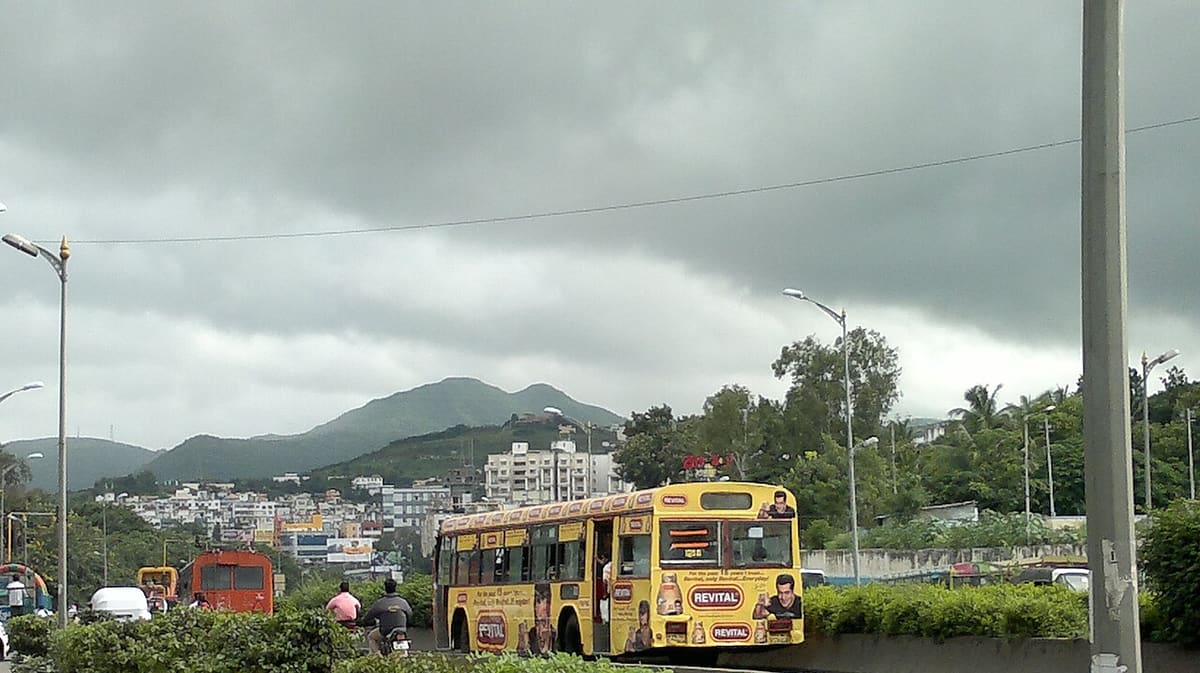
·7 km from city centerKatraj Snake Park
It has a temple and many rare species of snakes. A brown Palm Civet & a King Cobra are its main attractions. One can also chance upon birds & turtles in the area
View Details

—
·20 km from city centerSinhagad Fort
Located around 36 kms southwest of the city of Pune, Sinhagad Fort is built atop a cliff on the Bhuleshwar range of the Sahyadris. Literally translating to "Fort of the Lion", Sinhagad Fort boasts of a rich history. It was initially occupied by the Mughals until it came to be possessed by the Marathas. Lately, it has become a popular source of tour
View Details
—
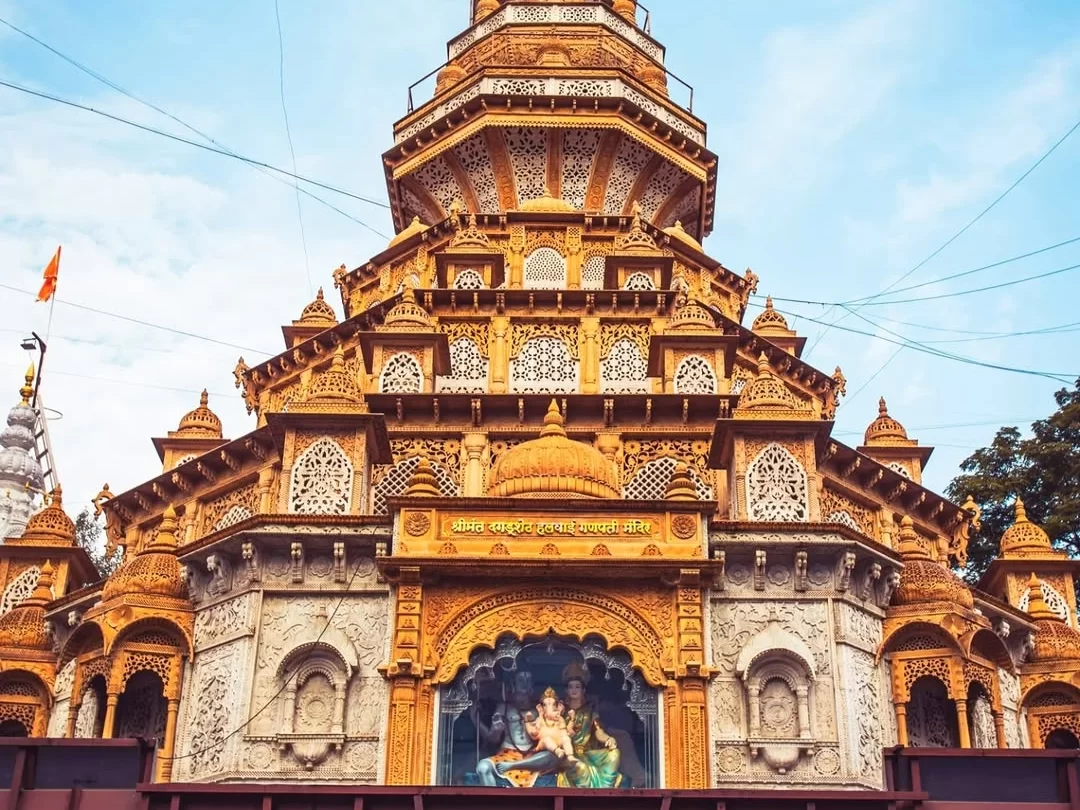
·0 km from city centerDagdusheth Halwai Ganpati Temple
Dedicated to Lord Ganapati, Shreemant Dagdusheth Halwai Ganapati temple is one of the most famous places to visit in Pune. The idol of Lord Ganapati is 2.2 meters high and 1 meter wide and is adorned with almost 40 kilos of gold.
View Details

3.5
·36 km from city centerMulshi Lake and Dam
Mulshi lake is formed in the catchment area of Mulshi dam. Known for its scenic beauty due to Sahyadri ranges, Koraigadh and Dhangad fort, it is a perfect gateway for nature lovers.
View Details
—
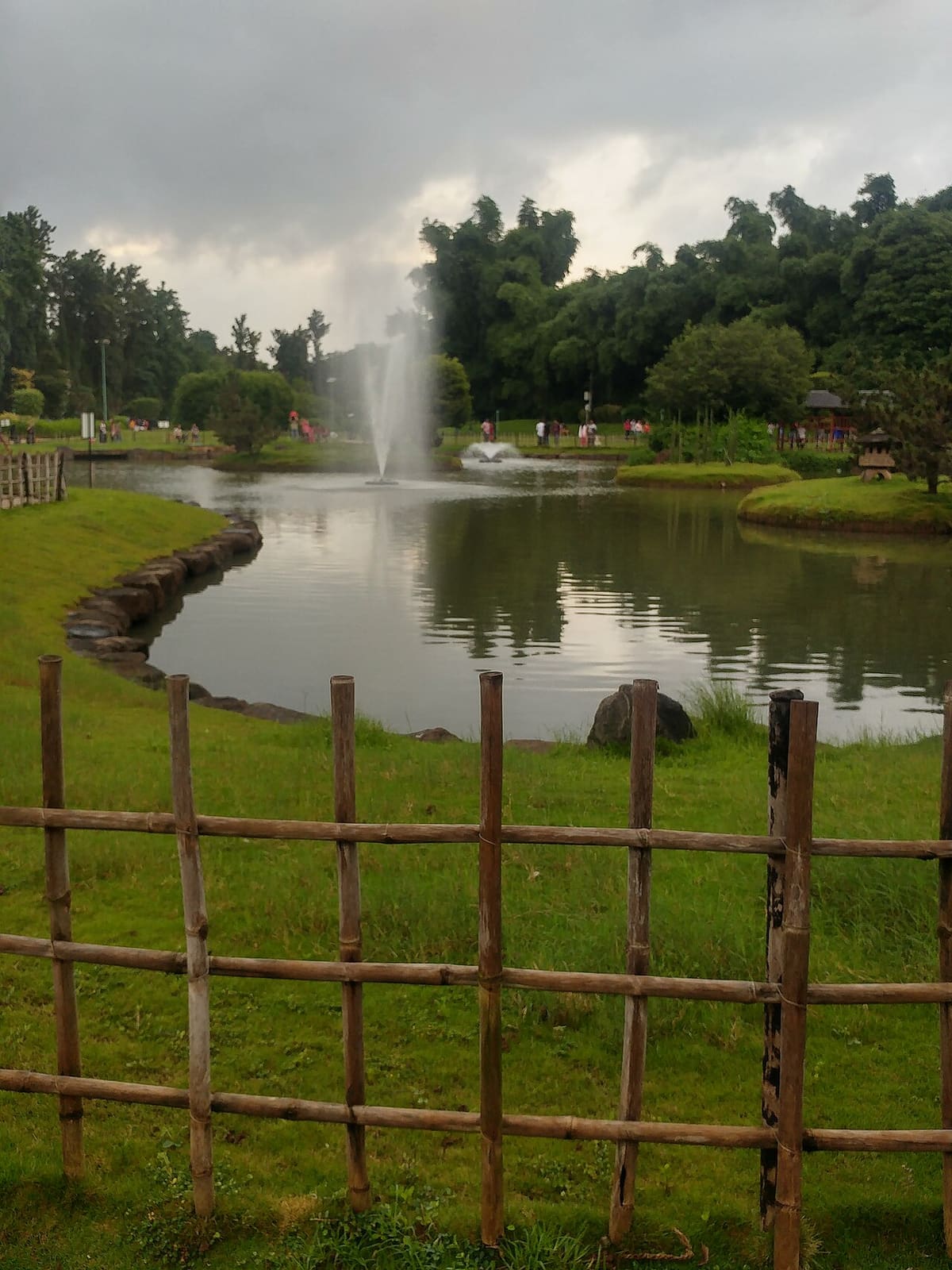
·4 km from city centerPune Okayama Friendship Garden
Pune Okayama Friendship Garden is the largest Japanese garden outside of Japan, in Asia. Also called the Pu. La. Deshpande Udyan, it reflects on the Indo-Japanese relationship, as it is inspired by the 300-year old Okayama Korakuen Garden in Japan.
View Details
—
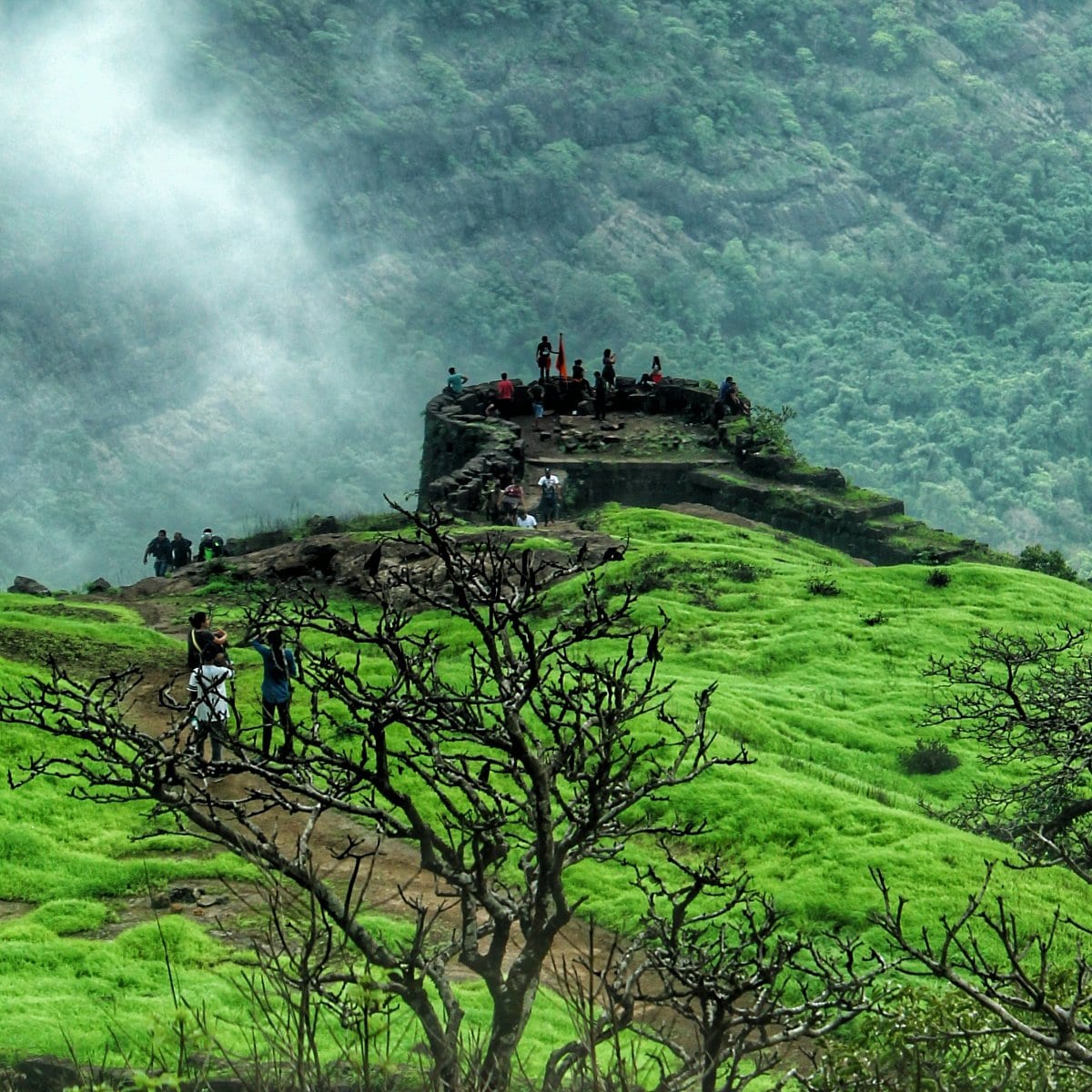
·139 km from city centerRajmachi Fort, Pune
Tucked between the two hills of Lonavala and Khandala, Rajmachi Fort is a grand structure of the bygone era. Especially popular among the adventure enthusiasts, the fort can be reached through a thrilling trek amidst the gorgeous Sahyadris. You can also camp at the base of the fort.
View Details
3.2
·1 km from city centerPanshet Water Park
One of the most loved attraction of the city, one can enjoy kayaking, rides, water scooters, speed boats, swimming and much more here.
View Details
—
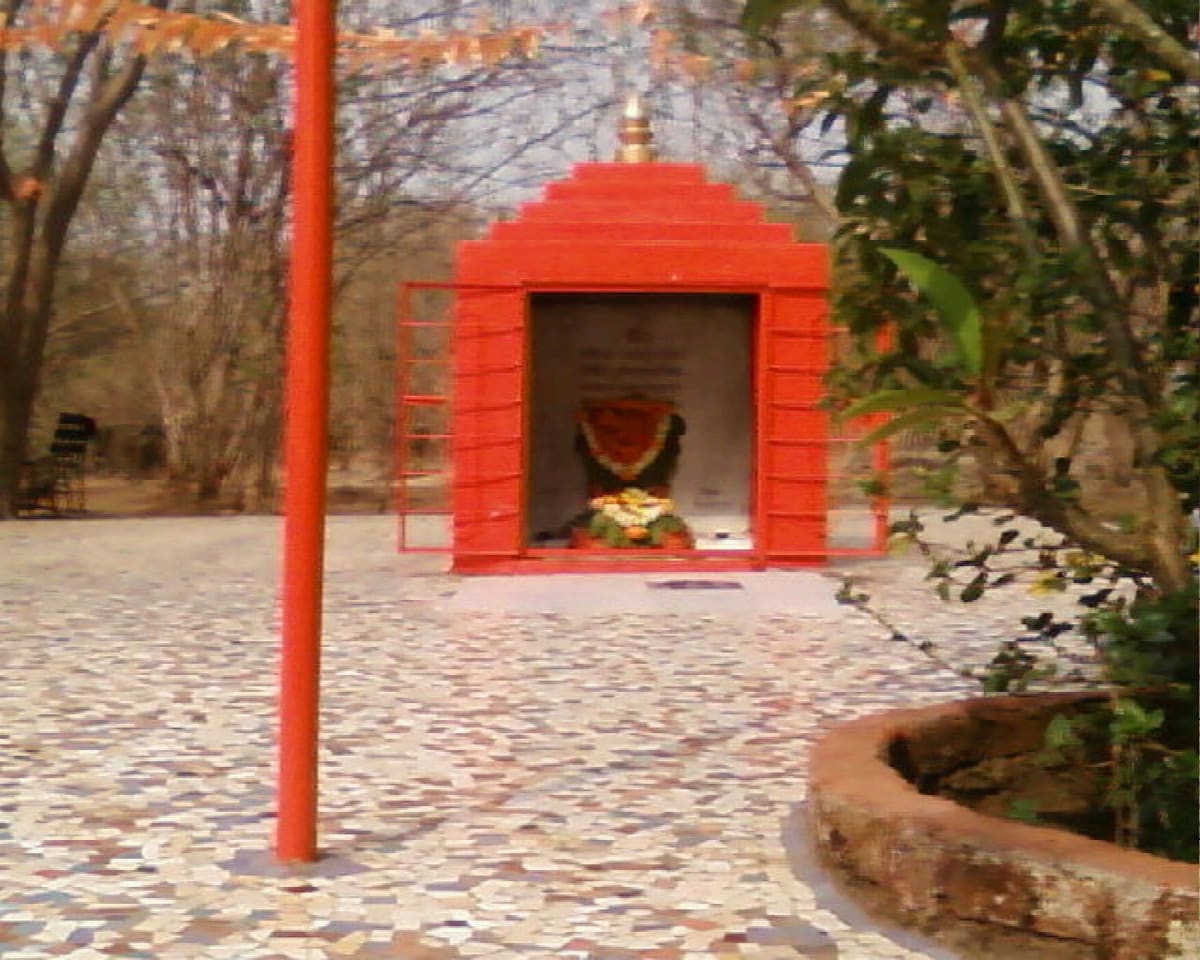
·4 km from city centerVetal Tekdi
Vetal Tekdi is one of Pune's most well-known landmarks. It envelops the entire city and is a stunning place to spend an evening or an early morning. It is known by various names such as Hanuman Tekdi, MIT Tekdi, and Pashan Tekdi.
View Details
3.2
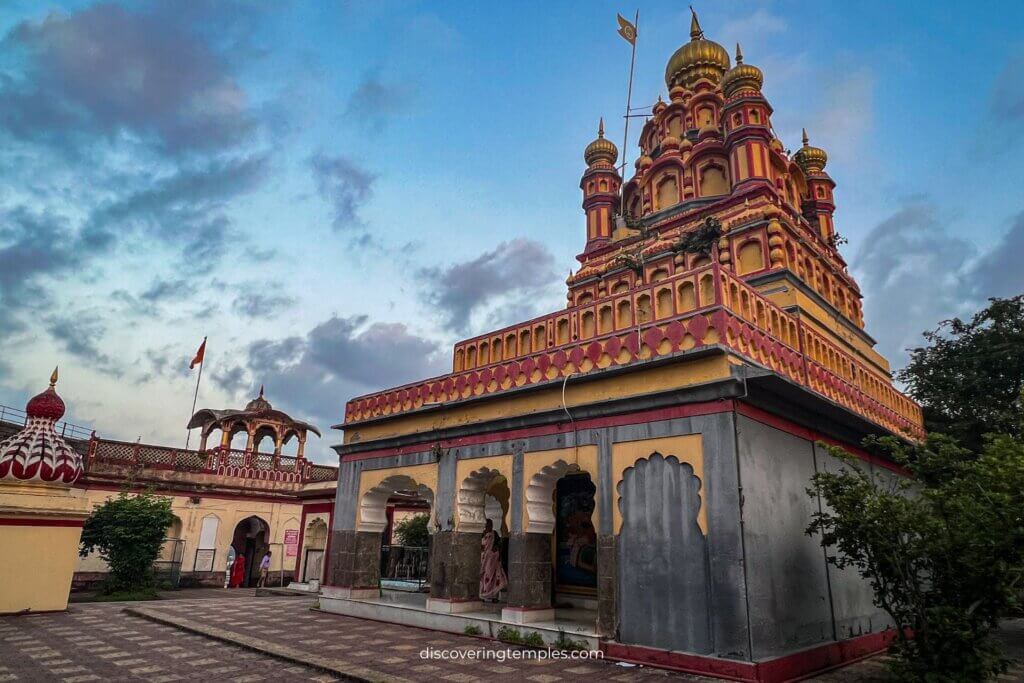
·4 km from city centerParvati Hill Temple
Once the private shrine of the Peshwas, the temple was built in the 17th century by Balaji Baji Rao. 108 steep flights above, is the temple on a hillock from where one can behold some of the most beautiful views of the city.
View Details

3.5
·1 km from city centerLive the Nightlife in Cafe's & Nightclubs
Pune sports a glittering instance of nightlife culture. The city nightlife continues till the wee hours of night and there are many pubs, bars and discotheques for the urban crowd. There are also some eating joints which serve food for the late night cravings.
View Details
3.2
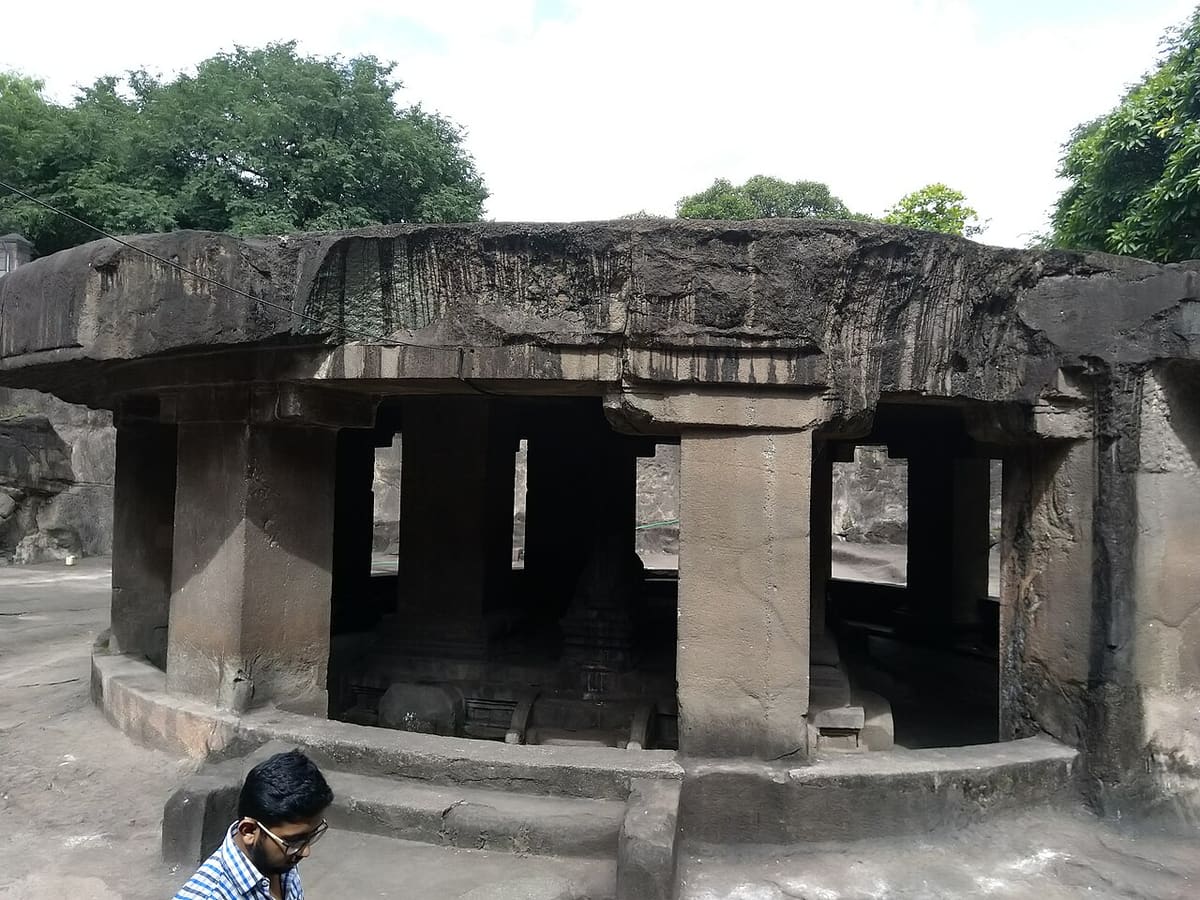
·1 km from city centerPataleshwar cave temple
The cave temple is rock-cut temple dating back to the 8th century. Dedicated to Shiva, the temple has a Shivalingam, a circular Nandi Mandapa and a passage with stone pillars inside.
View Details
—
·0 km from city centerLal Mahal
Lal Mahal located near Shaniwar Wada in Pune is a historic landmark of the 16th century. From being a childhood home for Chhatrapati Shivaji to taking Shaistekhan head-on, this red coloured structure is an architectural marvel.
View Details
Rating
4.1/ 5.0
Best Time
Duration1-3 Days
Attractions15
Plan Your Escape
Secure the Best Rates
Hotels
Booking.com
1M+ properties
Flights
Google Flights
Compare all airlines
Tours
Klook Deals
100K+ activities
Experiences
Viator
400,000+ experiences
Almanac earns a small commission at no extra cost to you.