Loading…

Destination Guide
Jaipur
4.4
2-3 Days
November-March
15 Attractions
About Jaipur
Also called the Pink City, Jaipur is the capital of royal Rajasthan and one-third of the famous Golden Triangle circuit with Delhi and Agra. Rajputs ruled Jaipur for centuries and developed it as a planned city in the 17th century AD, with the old city surrounded by walls and gates decorated on a beautiful pink hue. Home to UNESCO World Heritage Sites including Amber Fort


Bharath Explorer
Interactive India Map
Loading Bharath Explorer…
The Collection
15 placesTop Attractions
4.4
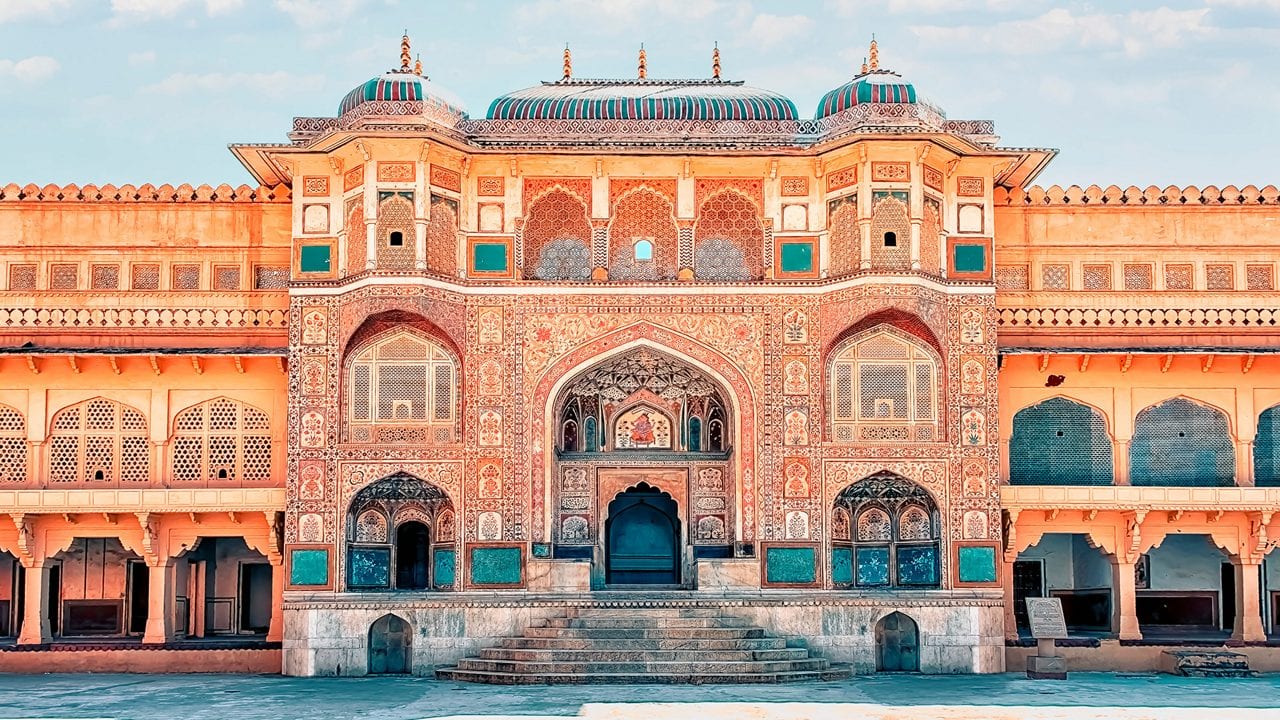
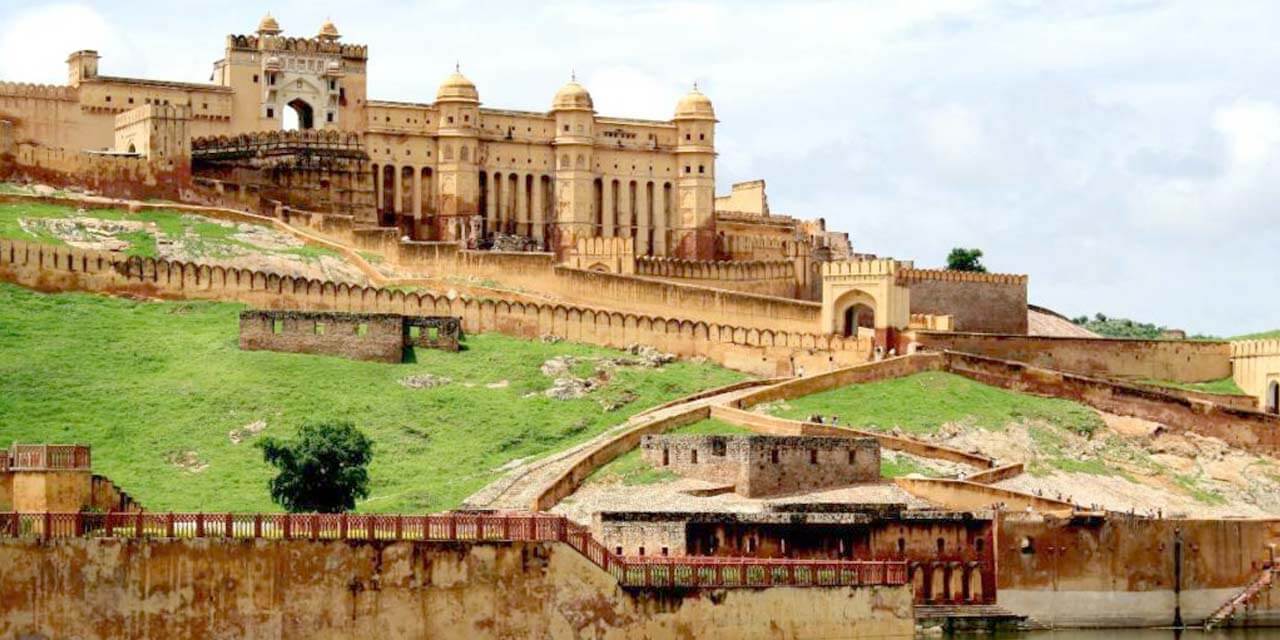
·10 km from city centerAmber Fort, Jaipur
Cradled on the top of a hill near Jaipur lies the Amer Fort, one of the most magnificent palaces in India. Also commonly known as the Amber Fort, this majestic building is a part of an extensive complex. The massive fort can be explored in 2-3 hours. Audio guides are available explaining the history. Getting an elephant ride up the stairs to the Am
View Details
3.5
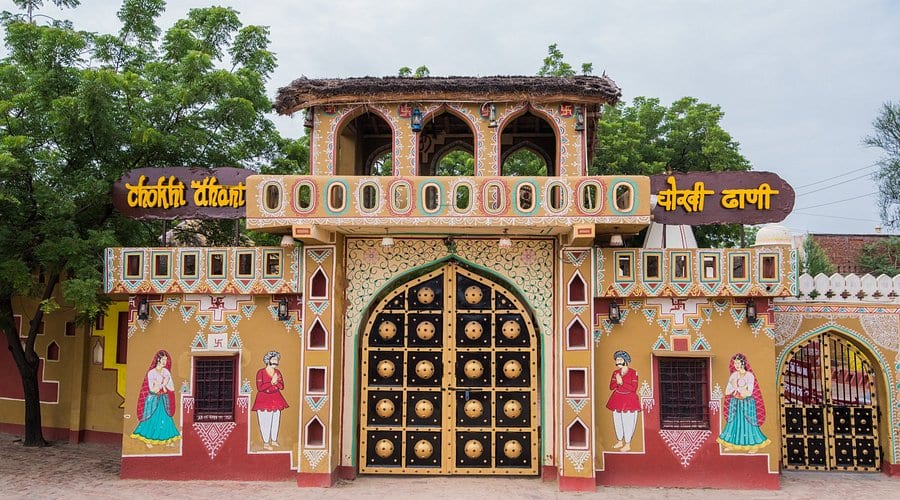
·17 km from city centerExperience the Village of Chokhi Dhani
Chokhi Dhani is a luxury heritage resort synonymous with Rajasthani village culture. It is located a little on the outskirts of the city on Tonk Road. It is a true depiction of traditional Rajasthan with ancient artefacts, handicrafts, paintings, folklore and sculptures. The village offers myriad entertainment options- folk dances, singing, camel r
View Details
4.5
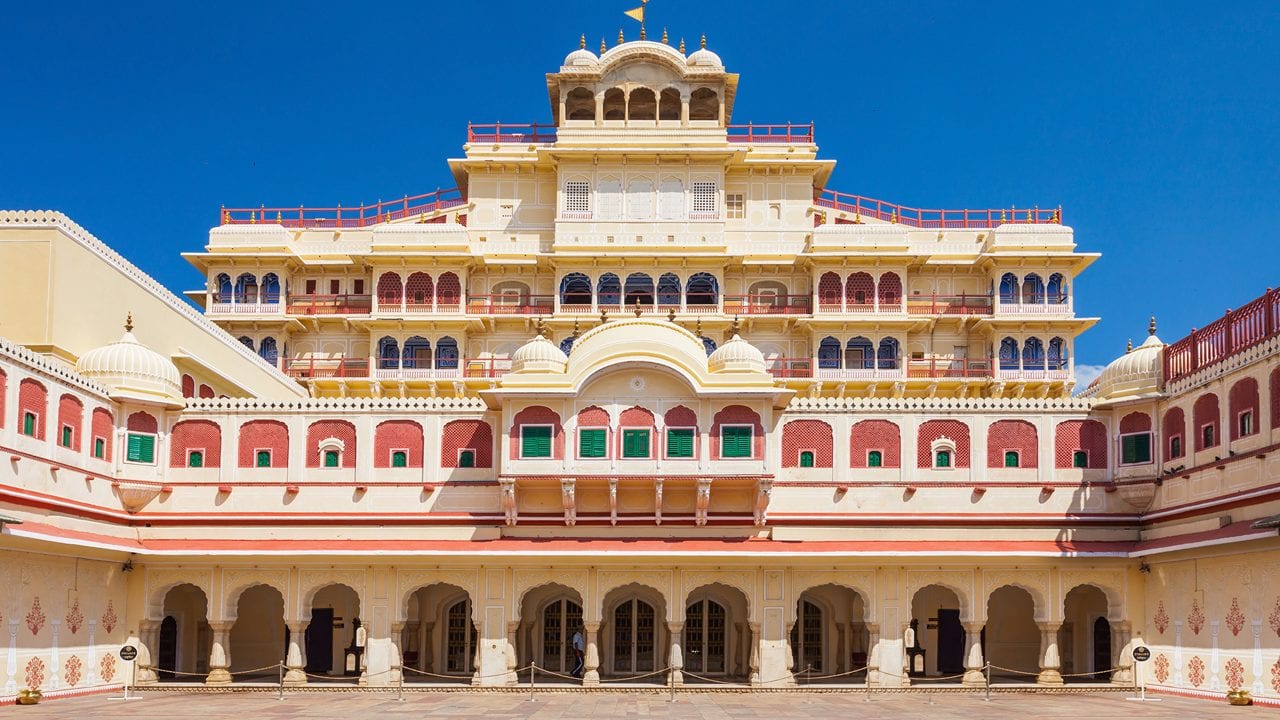
·4 km from city centerCity Palace
The City Palace is the main palace from where the Maharaja Sawai Jai Singh reigned. The palace includes the Chandra Mahan and Mubarak Mahal along with various other buildings within the complex. It is located towards the north-eastern side of Jaipur. The palace is divided into a series of courtyards, buildings and gardens. There is a museum that sh
View Details
4.5
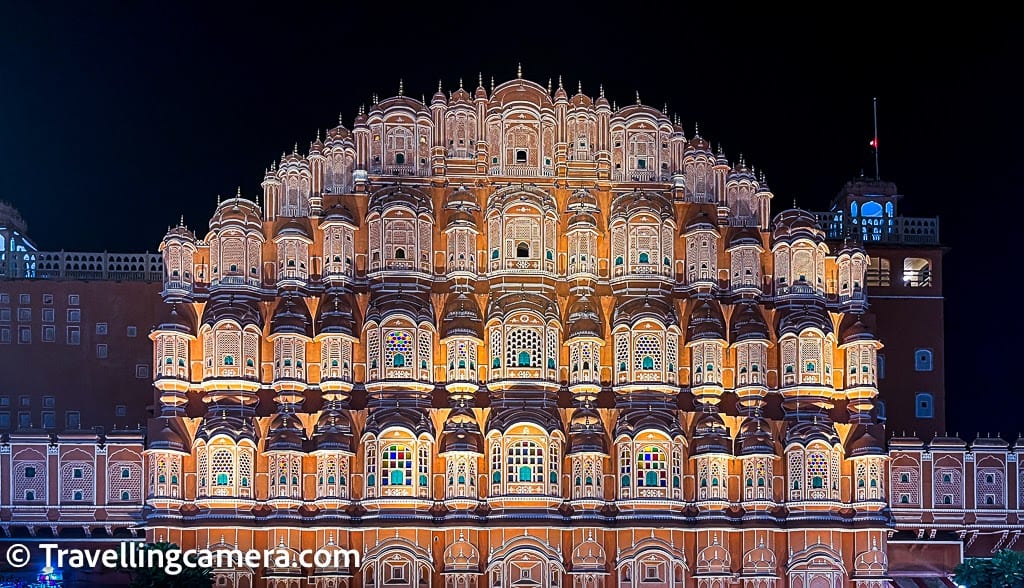
·4 km from city centerHawa Mahal
The Hawa Mahal stands at the intersection of the main road in Jaipur, Badi Chaupad. It is regarded as the signature building of Jaipur. From within, the Hawa Mahal palace is based on five floors each of which has a uniquely decorated chamber. The top of the palace offers a brilliant view of the City Palace, Jantar Mantar and the ever-busy Siredeori
View Details
4.4
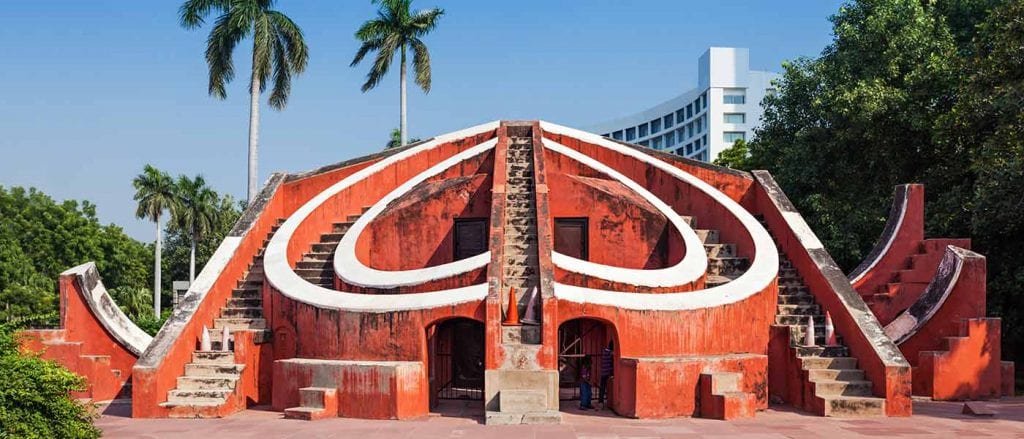
·4 km from city centerWitness the Magic of Jantar Mantar
Jantar Mantar in Jaipur is the largest stone astronomical observatory in the world. It is located just next to the City Palace. Built during the period between 1727 and 1733, the Jantar Mantar is still in a running condition and it stands as a witness regarding the wisdom of former age. The world's largest sundial is also situated here. A light and
View Details
4.3
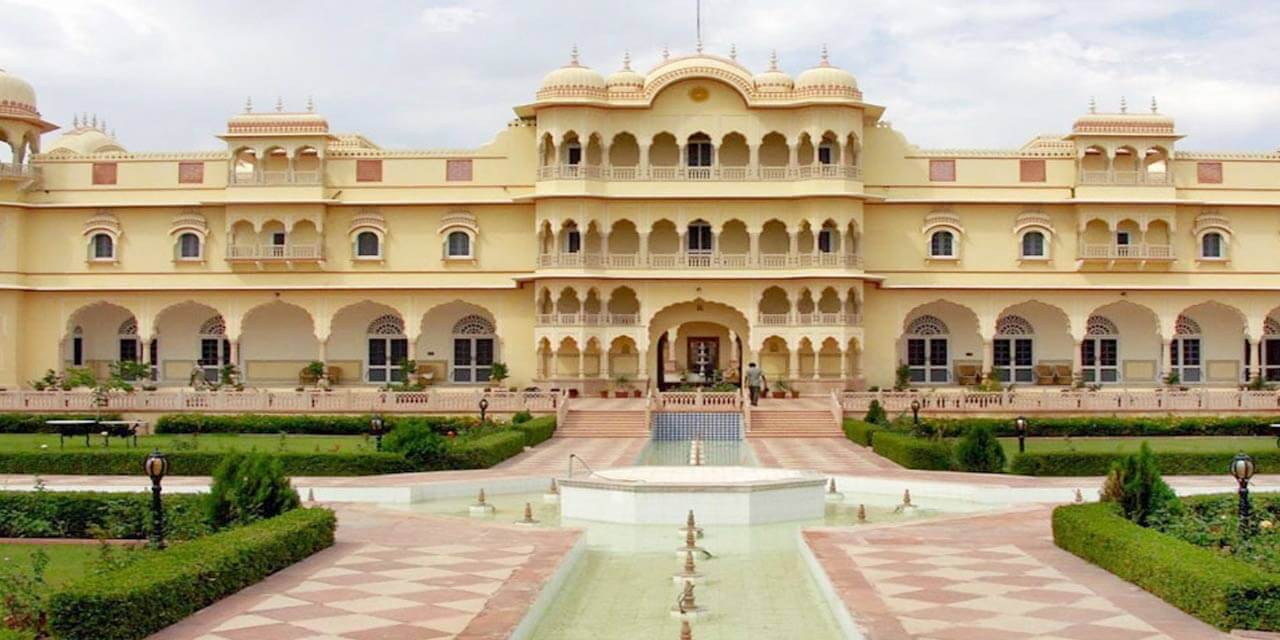
·4 km from city centerNahargarh Fort
Nahargarh Fort, situated on the outskirts of Jaipur, is known for breathtaking views of the city and its extended wall that connects it to Jaigarh Fort. Embellished with delicate carvings and stonework, it is an impregnable structure and together with its two neighbouring forts - Amer and Jaigarh once stood as the strong defence of Jaipur city. The
View Details
4.4
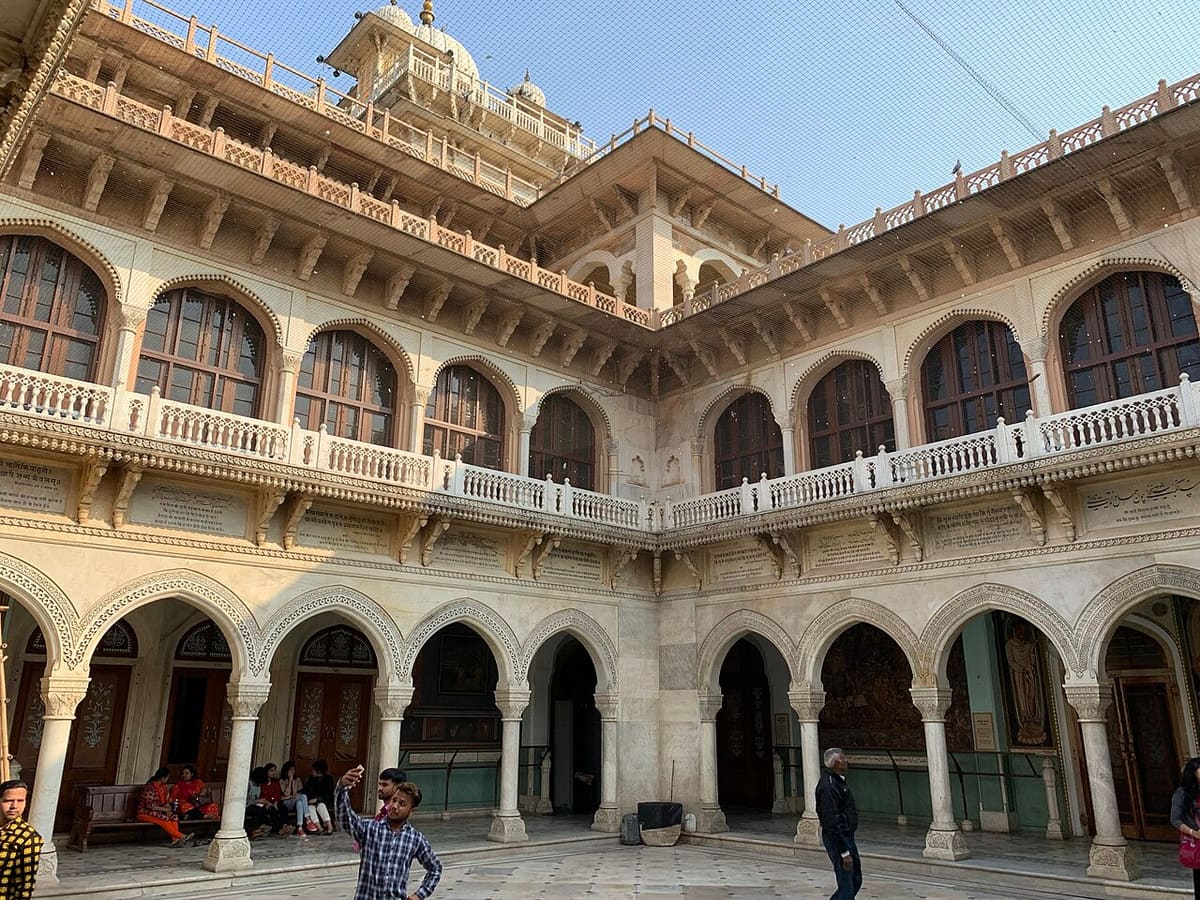
·3 km from city centerExplore collections at Albert Hall Museum
Situated in the Ram Niwas Garden, Albert Hall Museum is one of the oldest museums of Rajasthan. It has a rich collection of various kinds of items such as paintings, carpets, ivory, stone, metal sculptures, colourful crystal works etc. The museum looks stunning with yellow lights at night.
View Details
4.4
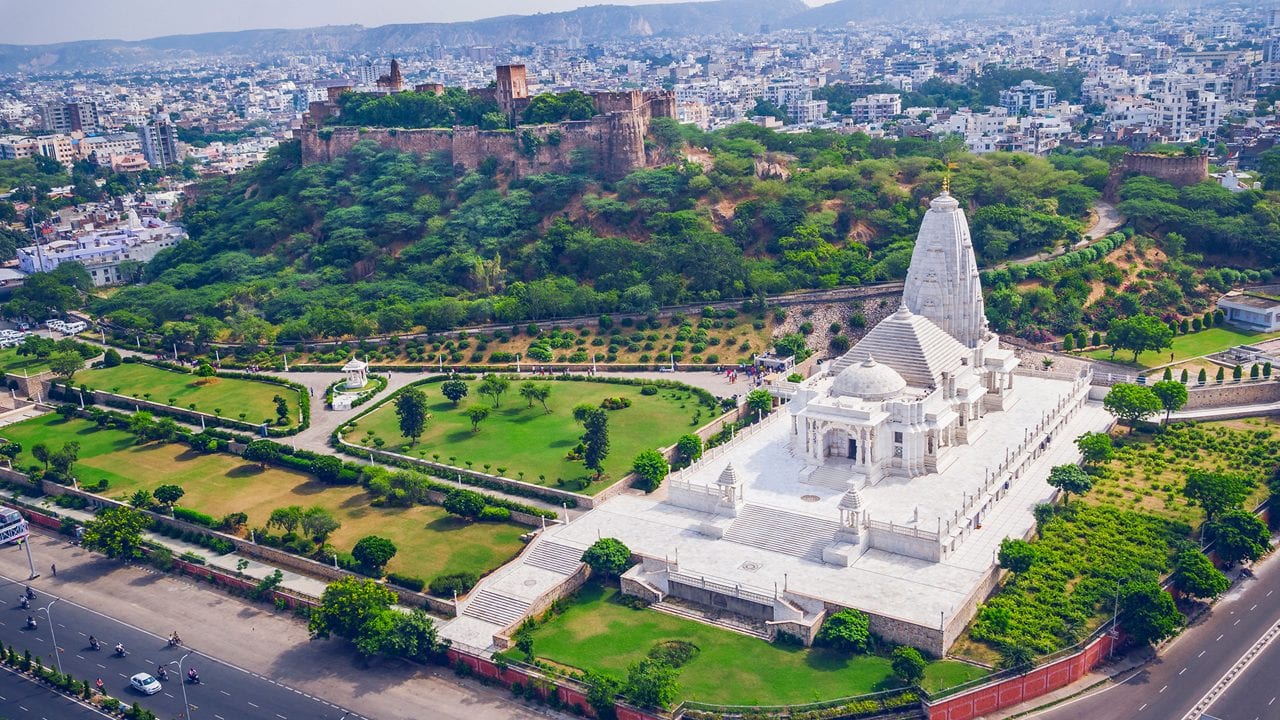
·4 km from city centerBirla Temple
Located on an elevated ground at the base of Moti Dungri hill, the Birla Temple of Jaipur is dedicated to Lord Vishnu (Narayan), the preserver and his consort Lakshmi, the Goddess of wealth. It is also known as the Lakshmi Narayanan Temple and forms a part of one of the several Birla temples located all around the country.
View Details
—
·3 km from city centerMasala Chowk
Located in Ram Niwas Garden, this open-air food court offers 21 flavours of the Pink City under one roof (or sky). Masala Chowk brings the best Jaipur has to offer in street food and assembles it in one place. Initially, the place was meant to attract tourists, given its proximity to the famous Albert Hall Museum in the area. However, Masala Chowk
View Details
4.4
·10 km from city centerTake a tour of Jaigarh Fort
Jaigarh Fort is a grand structure perched on the top of the 'Cheel ka teela' hills designed by a talented architect called Vidhyadhar. The fort reflects the city's prosperous past and is named after the ruler who got it built, Sawai Jai Singh II. It is connected to Amer Fort through subterranean passages. The fort currently houses the world's large
View Details
—
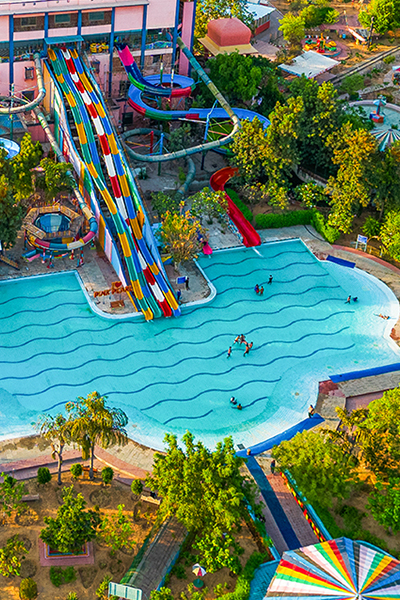
·13 km from city centerPink Pearl Resort and Fun City
Situated in Bhakrota, on the outskirts of Jaipur, Pink Pearl Fun City Resort and Amusement Park is one of the most popular amusement parks in the city. Replete with a number of thrilling rides and adventure activities both for kids and for adults, the park is buzzing with activity all year round.
View Details
3.9
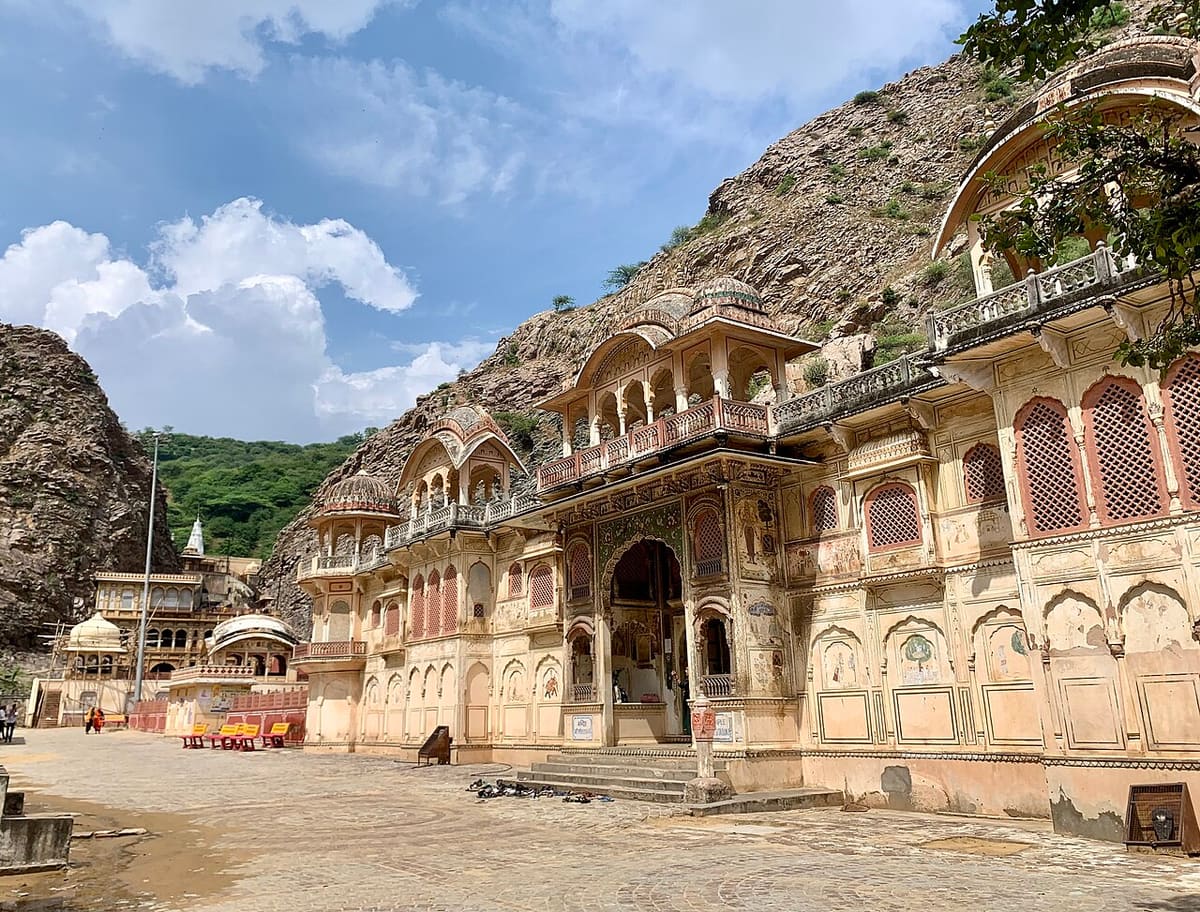
·7 km from city centerGaltaji Temple
Located in the City Palace complex, Galtaji Temple is a prehistoric Hindu pilgrimage site. Outlined by the striking Aravalli hills, the vast temple complex consists of several shrines, holy kunds, pavilions and natural springs. The walls of this temple are beautifully adorned with carvings and paintings and it is designed to resemble a grand haveli
View Details
3.9
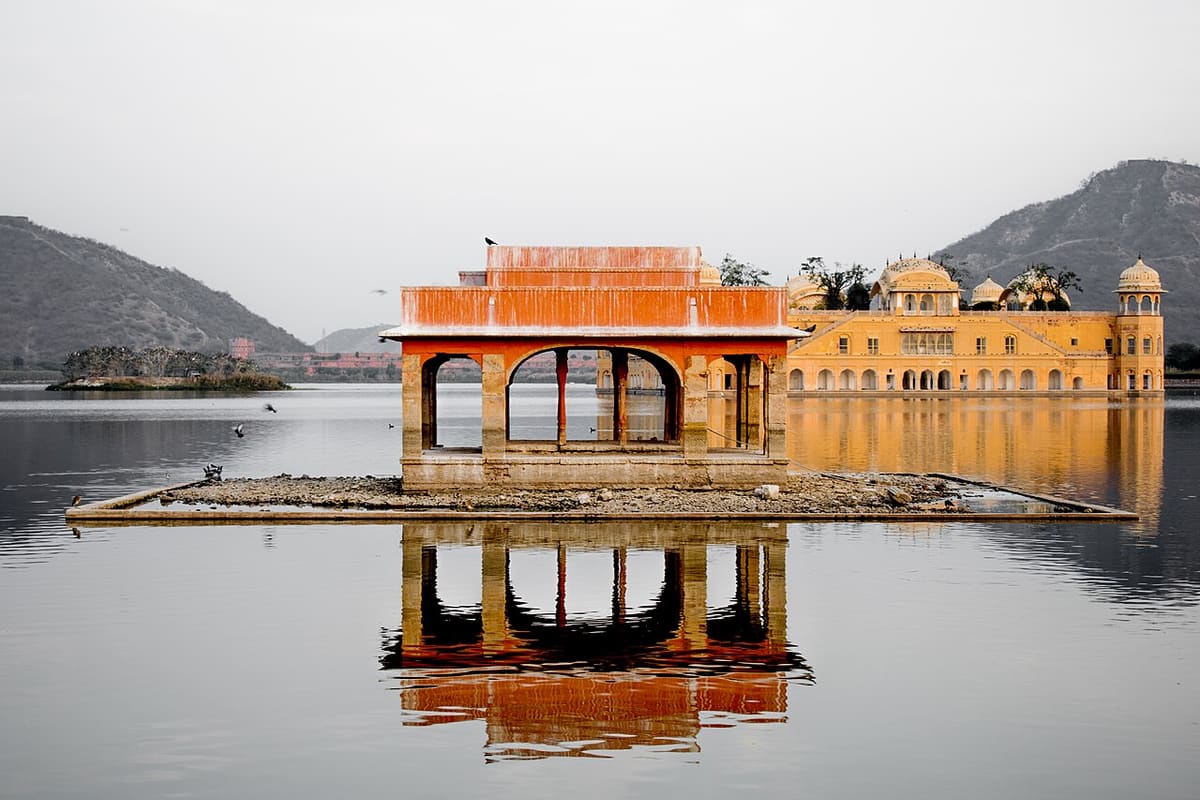
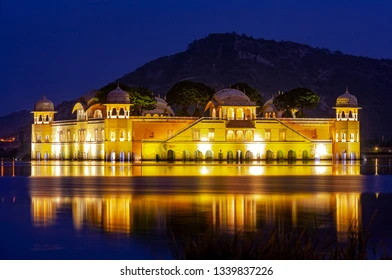
·7 km from city centerClick Pictures near the Peaceful Jal Mahal
Jal Mahal is one of the most photographed monuments in India. It is located in the centre of Man Sagar Lake. The most striking feature of this palace is that while only one storey appears above the water level, there are in fact 4 storeys submerged underneath. The entry inside the fort is prohibited, but the view from a considerable distance while
View Details
—
·5 km from city centerGatore ki Chhatriyan
Slightly outside of Jaipur, Gatore ki Chhatriyan is the crematorium grounds for the Kachwahas, a Rajput dynasty. It is set in a tranquil location and consists of a number of beautiful cenotaphs which mark the official cremation spots of the former rulers.
View Details

—
·1 km from city centerAmrapali Museum
Amrapali Museum is one of the popular museums of Jaipur known for showcasing different styles of Indian Jewellery art. It houses a wide collection of Tribal jewellery along with Mughal style, Rajput style and temple jewellery.
View Details
Rating
4.4/ 5.0
Best TimeNovember-March
Duration2-3 Days
Attractions15
Plan Your Escape
Secure the Best Rates
Hotels
Booking.com
1M+ properties
Flights
Google Flights
Compare all airlines
Tours
Klook Deals
100K+ activities
Experiences
Viator
400,000+ experiences
Almanac earns a small commission at no extra cost to you.