Loading…

Destination Guide
Bikaner
4.3
1-2 Days
15 Attractions
About Bikaner
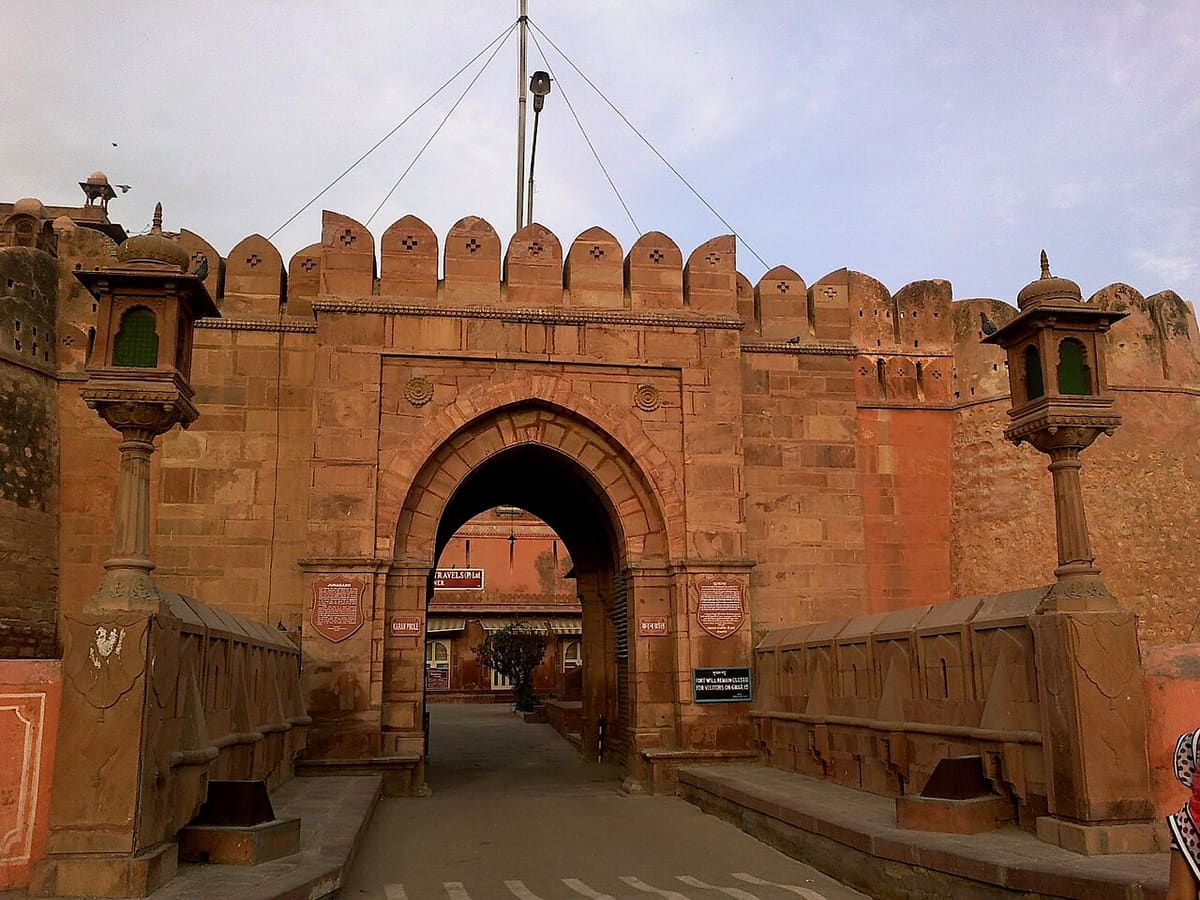
Located in the midst of the Thar Desert, Bikaner is a cultural paradise and traveller's haven, one of the three great desert kingdoms of Rajasthan. The terracotta-red Junagarh Fort

Bharath Explorer
Interactive India Map
Loading Bharath Explorer…
The Collection
15 placesTop Attractions
4.3
·0 km from city centerJunagarh Fort
For a change, this is one of the few forts which is not built on a hill. Instead, this fort, built in the arid region of the Thar Desert, is famous for its marvellous architecture, intricate carvings which leave travellers mesmerized.
View Details
4.2
·26 km from city centerKarni Mata Temple
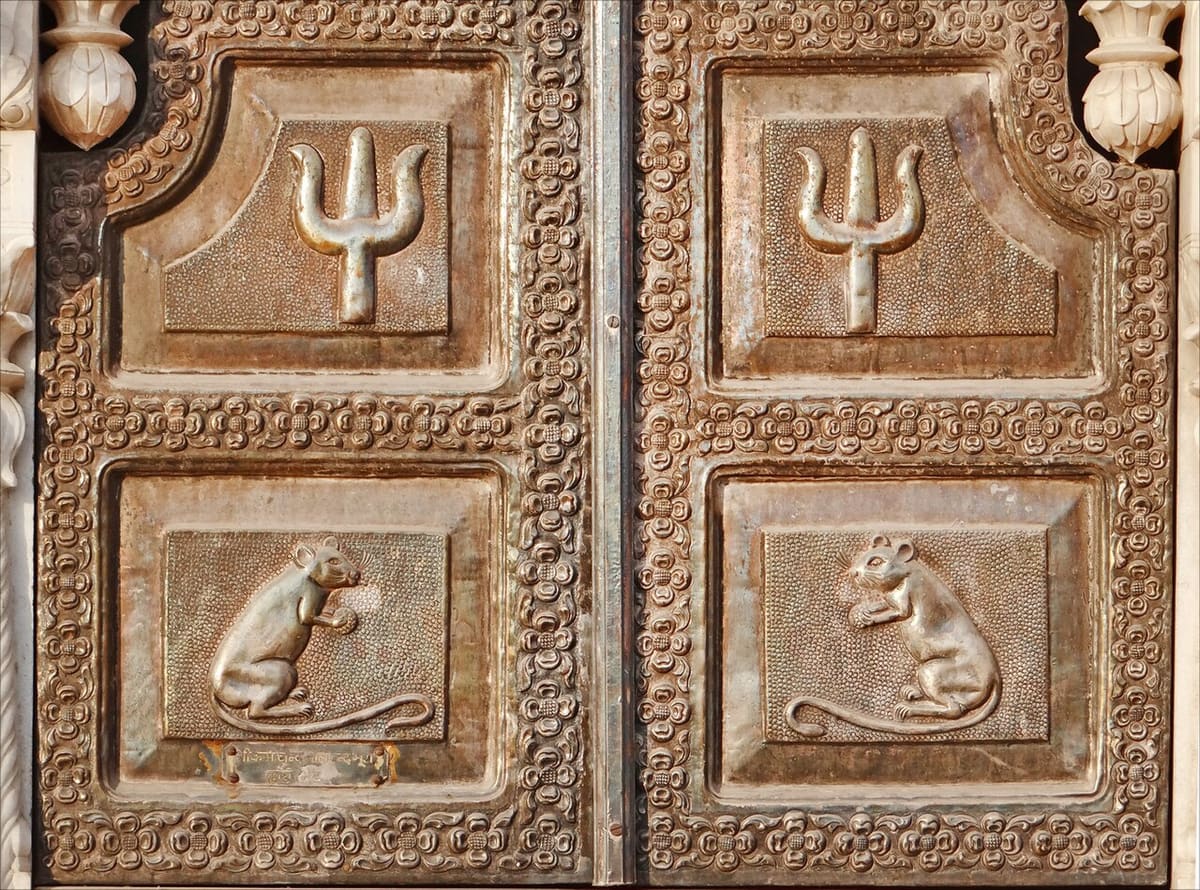
Located in Deshnoke, 30 km from Bikaner, Karni mata temple is the place where devotees and rats share a special bond. The temple is heavily influenced by mogul architecture and the entire temple is built with beautiful white marble.
View Details

4.2
·27 km from city centerGajner Palace
Gajner Palace is located in the city of Bikaner on the banks of Gajner Lake. This regal palace was built by Maharaja Ganga Singh as a hunting lodge for him and his family but was converted to a hotel in 1976. Gajner Palace offers you a variety of leisure activities from boat rides to desert safaris. Built as a traditional Rajasthani Palace, it is a
View Details
4.3
·3 km from city centerLalgarh Palace
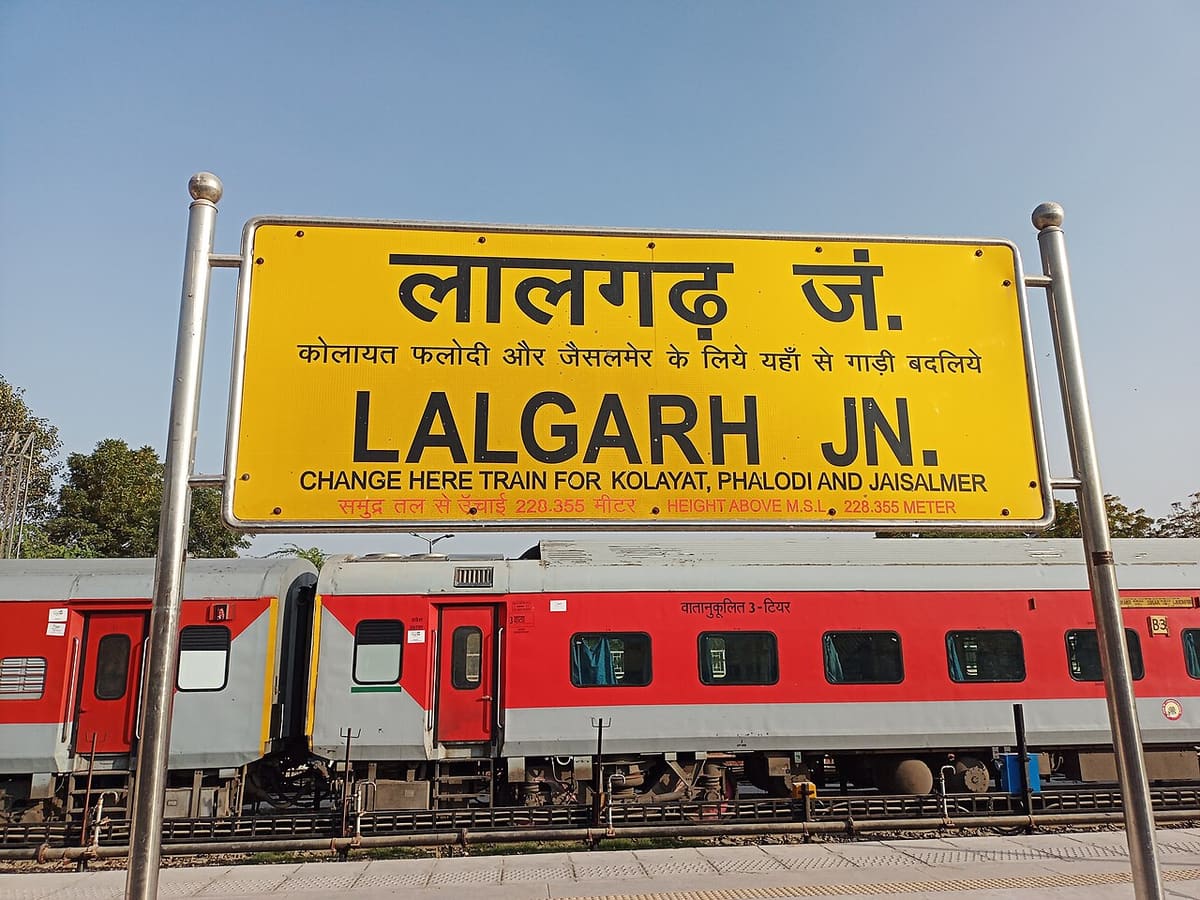
Lallgarh Palace was constructed for the Maharaja of Bikaner, Maharaja Ganga Singh, between 1902 and 1926. The palace built in European architecture style has now been opened up for tourists as a Heritage Hotel, and the entire estate comes under the National Heritage Trust. The estate also houses a museum named Shri Sadul Museum, where you can find
View Details
3.5
·2 km from city centerRampuriya Haveli
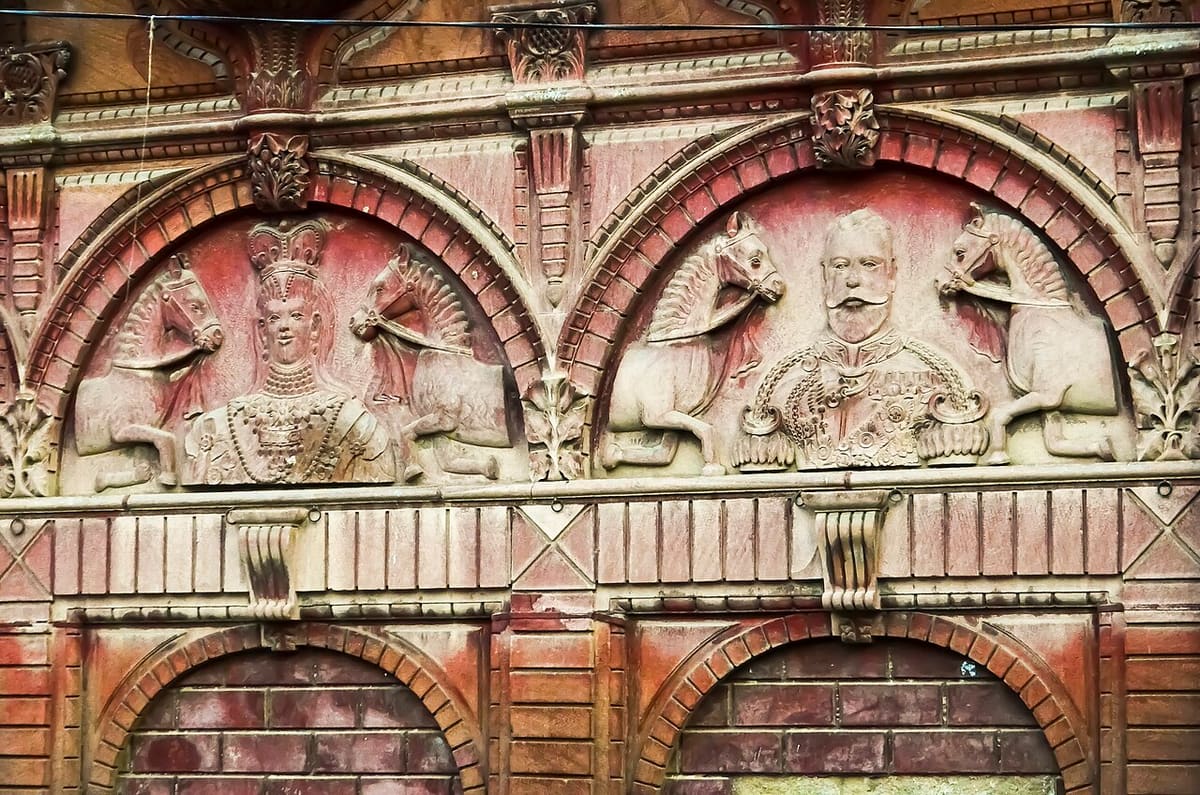
Among all other havelis like Rikhji Bagri ki Haveli, Haveli of Bhairondan, Daga Chowk Havelis and Sampatlala Agarwal Haveli, Rampuria group of Havelis are known for their more than 400 years old architecture splendour. With intricate details of jharokhas and carvings, havelis are no less than palaces.
View Details
3.5
·7 km from city centerNational Reserch Centre On Camel
Identified as one of the important tourist place of Bikaner, National Research Centre On Camel is open for tourists during afternoon. Tourists can see the camel of different breeds and their behavior.
View Details
3.5
·0 km from city centerCamel festival
A two day event organized every year in the month of January, the Camel festival has some spectacular and unusual camel performances like camel races, camel dances, and the bumpy, neck shaking camel rides take place at this event.
View Details
3.2
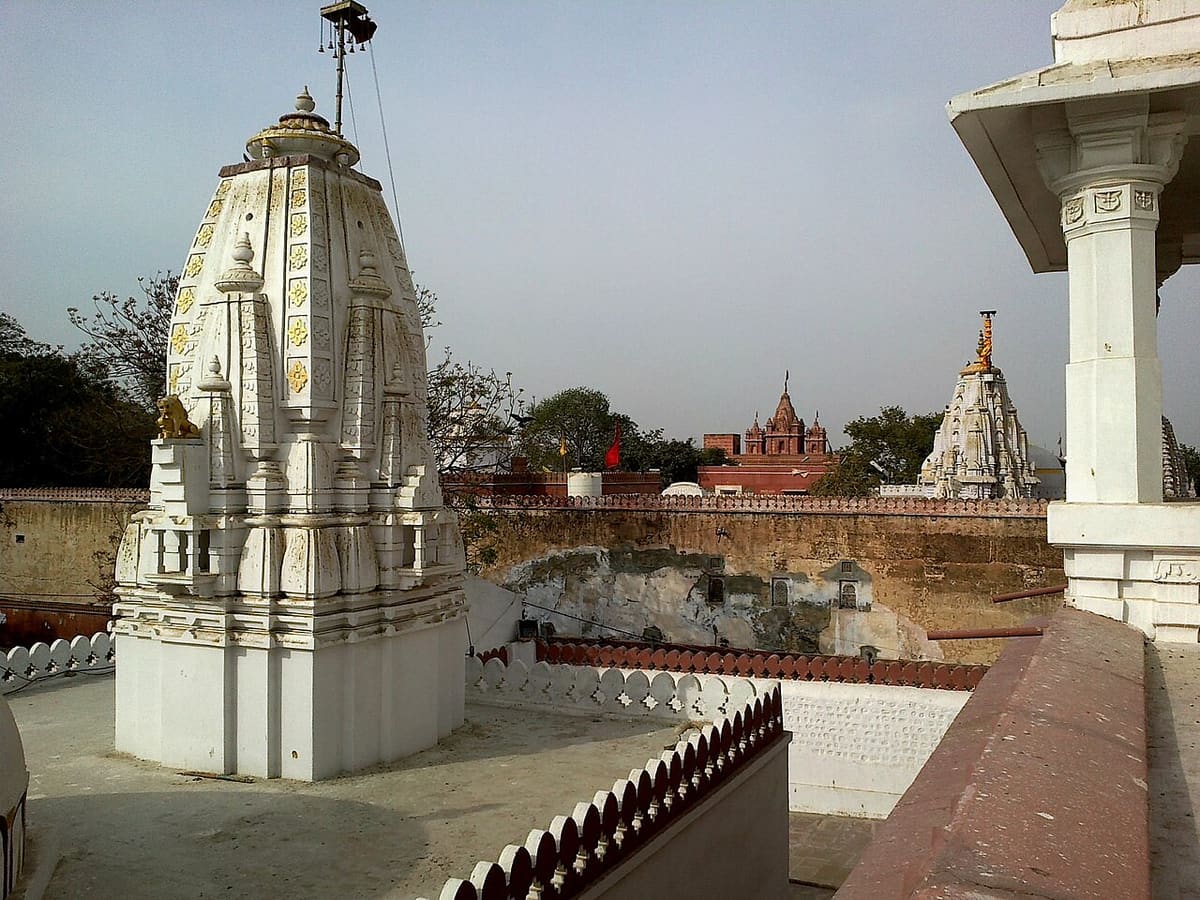
·2 km from city centerBhandasar Jain Temple
Bhandasar Jain Temple is one of the 27 beautiful Jain temples located in Bikaner. This temple is dedicated to the fifth Tirthankara, Sumatinath and it is also considered to be the most beautiful and the highest temple.
View Details

—
·7 km from city centerRoyal Cenotaphs
The Royal Cenotaphs is the cremation ground of the foyal families of Bikaner. It is an architectural treat for the tourists. The splendid structure with intricately carved marble pillars display legends of Lord Krishna and other beautiful traditional designs. The oldest monument on the ground was installed in the honour of Rao Kalyanmal and the ear
View Details

—
·1 km from city centerKodamdesar Temple
Built by the founder of Bikaner, Rao Bikaji, Kodamdesar Bhairu Ji Temple has been religiously important for the Hindus. The presiding deity is Lord Bhairu ji who was born from the place between the eyebrows, also called the third eye of Lord Shiva. Hence, the deity is considered to be an incarnation of Lord Shiva and his ferocious form.
View Details
—
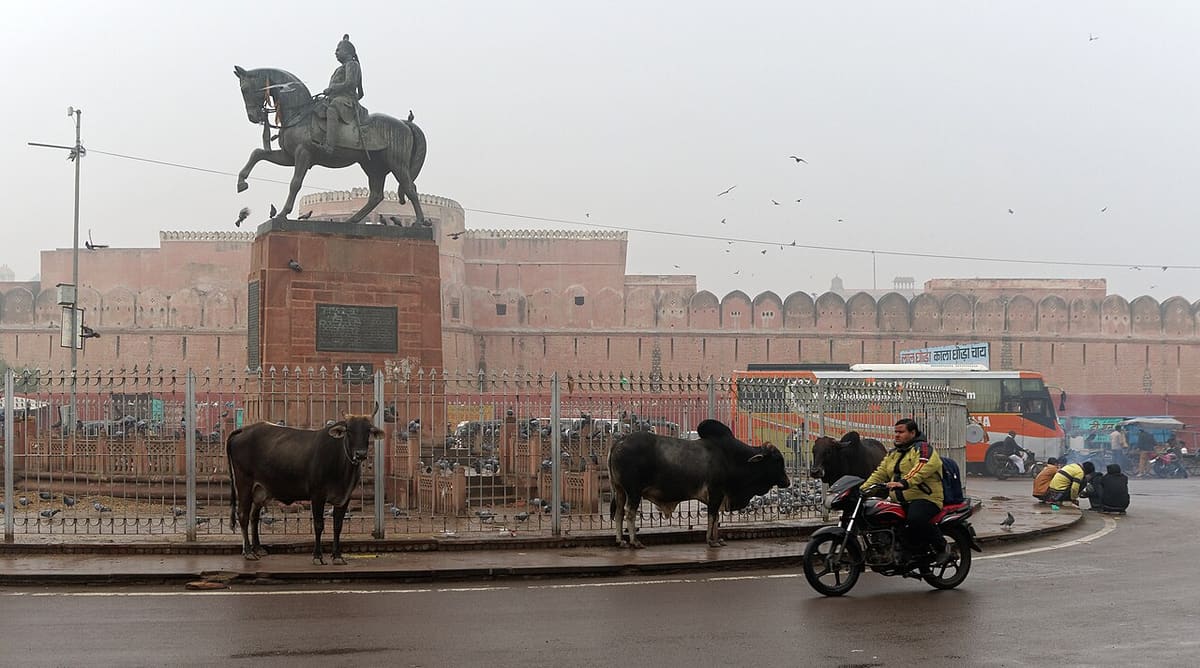
·1 km from city centerSadul Singh Museum
Dedicated to the Maharajas of Bikaner, Maharaja Ganga Singh, Maharaja Karni Singh and Maharaja Sadul Singh, the Sadul Singh Museum has a fabulous collection of artefacts belonging to the kings, paintings, trophies, weapons, photographs to mention a few. It is the best place to get insights into the heroic activities of the Maharajas.
View Details
3.2
·128 km from city centerShiv Bari Temple
Built of red sand stone, the Shiv Bari Temple is located about 6km from Bikaner. Fortified by a high wall the temple is dedicated to Lord Shiva. The temple has a beautiful wall panting of Nandi Bull facing the Shiva Lingam.
View Details
—
·1 km from city centerGanga Singh Museum
Ganga Singh Museum has a marvellous collection of artefacts belonging to the Harappan Civilisation and Gupta Dynasty. The museum is a perfect attraction for history and archaeological buffs as the stunning antiques like pottery, paintings, terracotta artwork, etc. are sure to give one a peep into the rich ancient heritage of India.
View Details
3.2
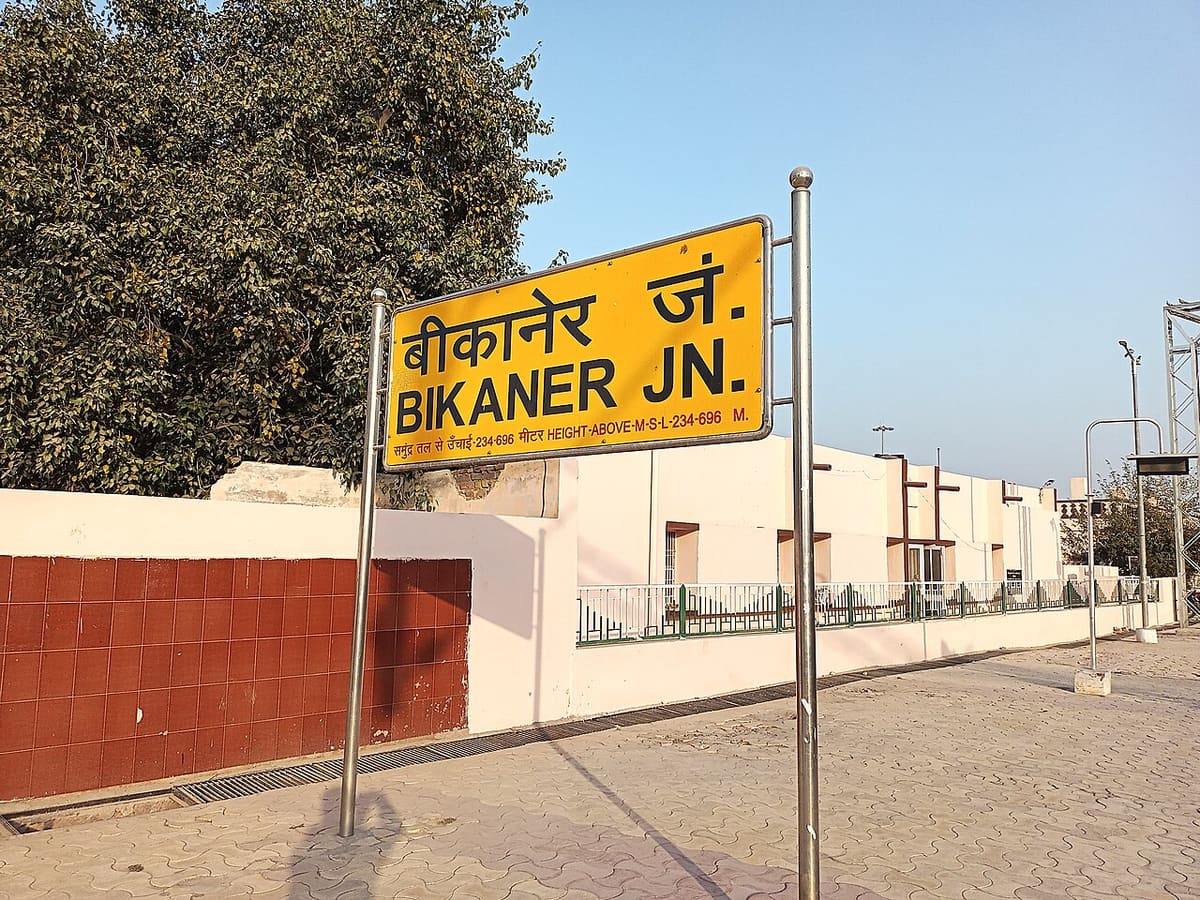
·1 km from city centerStation Road
The Station Road market is replete with numerous shops and small time vendors. This market is a fabulous place to acquire embroidered footwear (jootis), local fabrics, leather goods and wood as well as traditional artifacts.
View Details
—
·0 km from city centerPrachina Museum
Prachina Museum was established in 2000 by the daughter of Maharaja Narendra Singhji, Siddhi Kumari and has a stunning collection exhibiting royal apparel, accessories, perfumes, textiles, artwork, unique class artefacts, cutlery, crockery and portraits of the Maharajas. The objects on display provide a sneak peek into the rich lifestyle of the roy
View Details
Rating
4.3/ 5.0
Best Time
Duration1-2 Days
Attractions15
Plan Your Escape
Secure the Best Rates
Hotels
Booking.com
1M+ properties
Flights
Google Flights
Compare all airlines
Tours
Klook Deals
100K+ activities
Experiences
Viator
400,000+ experiences
Almanac earns a small commission at no extra cost to you.