Loading…
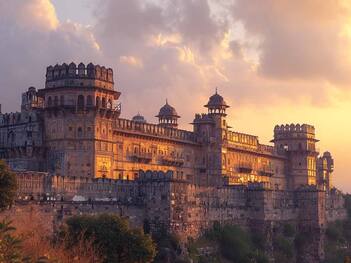
Destination Guide
Ajmer
3.8
1-2 Days
15 Attractions
About Ajmer
Surrounded by Aravalli ranges, Ajmer is most famous for the Ajmer Sharif Dargah


Bharath Explorer
Interactive India Map
Loading Bharath Explorer…
The Collection
15 placesTop Attractions
4.5
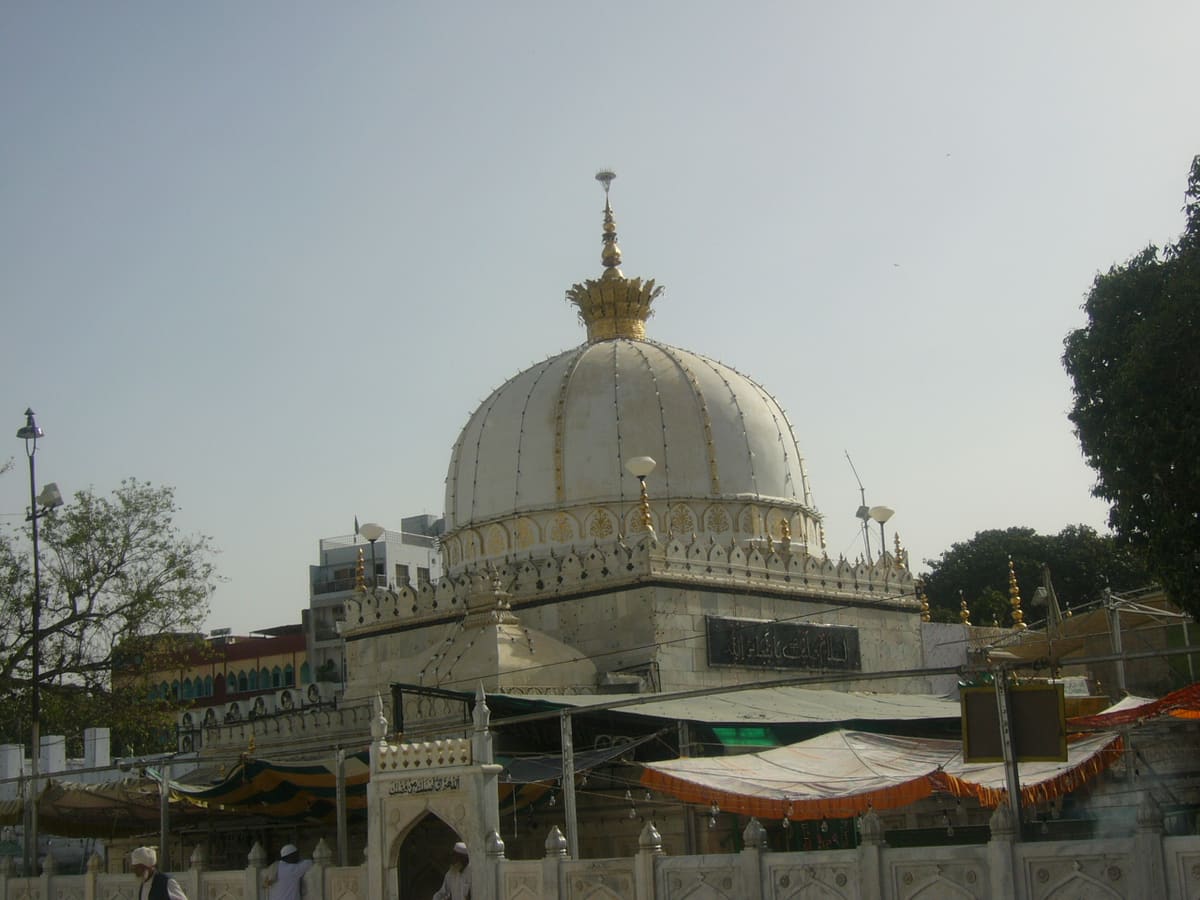
·1 km from city centerAjmer Sharif
Dargah Sharif, the tomb of Moinuddin Chishti is one of the holiest places of worship in India. Being the final resting place of the Gharib Nawaz Moin-ud-din Chisti, it is visited by millions of people every year. Khwaja Moin-ud-din Chisti was a great Sufi Saint. Women are allowed to enter the dargah.
View Details

4.5
·3 km from city centerAna Sagar Lake
Ana Sagar is an artificial lake constructed in the 12th century AD by Anaji Chauhan, grandfather of the last independent Hindu king Prithvi Raj Chauhan. Spread over 13km, this lake features marble pavilions and gardens and is best visited during the sunsets when the views are extraordinarily marvellous.
View Details
4.2
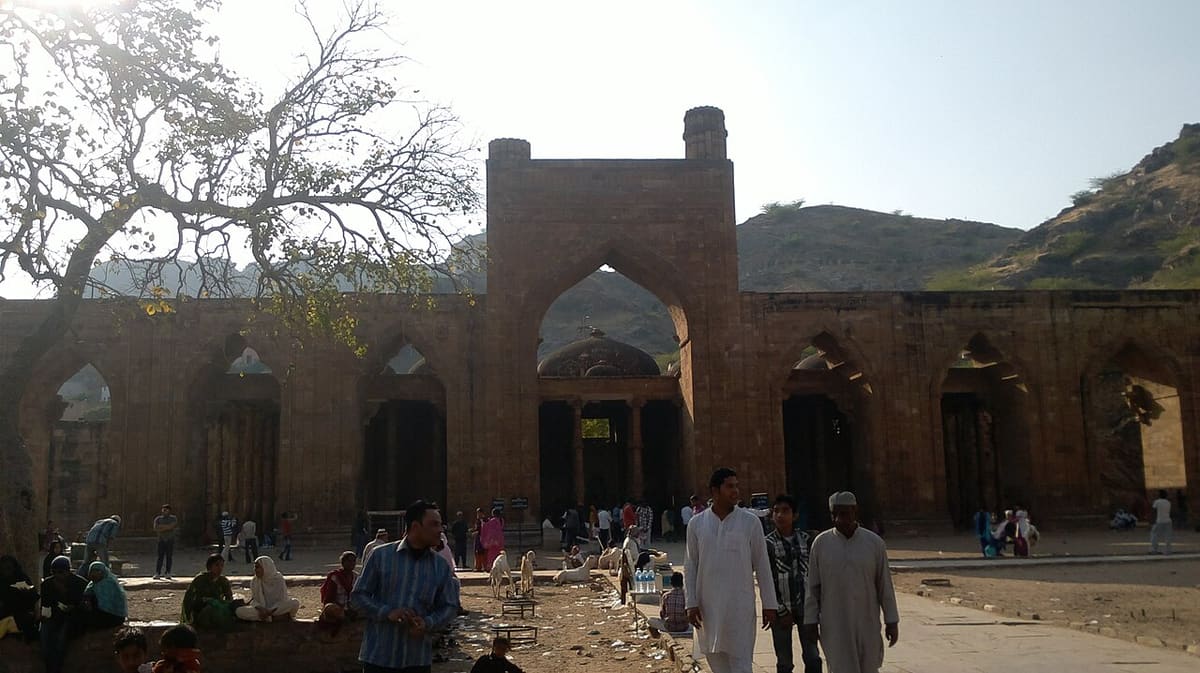
·2 km from city centerAdhai Din ka Jhopra
Adhai Din ka Jhopara is a Masjid built by Qutub-ud-Din-Aibak, first Sultan of Delhi in AD 1199. It is believed to be constructed in two and a half days and that's where it gets its name. Though most of the ancient temple is in ruins today, the area of the mosque is still used as a place of worship.
View Details

4.2
·1 km from city centerAkbar's Palace and Museum
Akbar's Palace is the place where he and his troops stayed at Ajmer whenever he visited the Ajmer Sharif Dargah. It is now converted into a museum that portrays the age-old military weapons and exquisite sculptures, paintings and other artefacts of the Mughal era. It is also known as Akbari Fort & Museum.
View Details
3.9
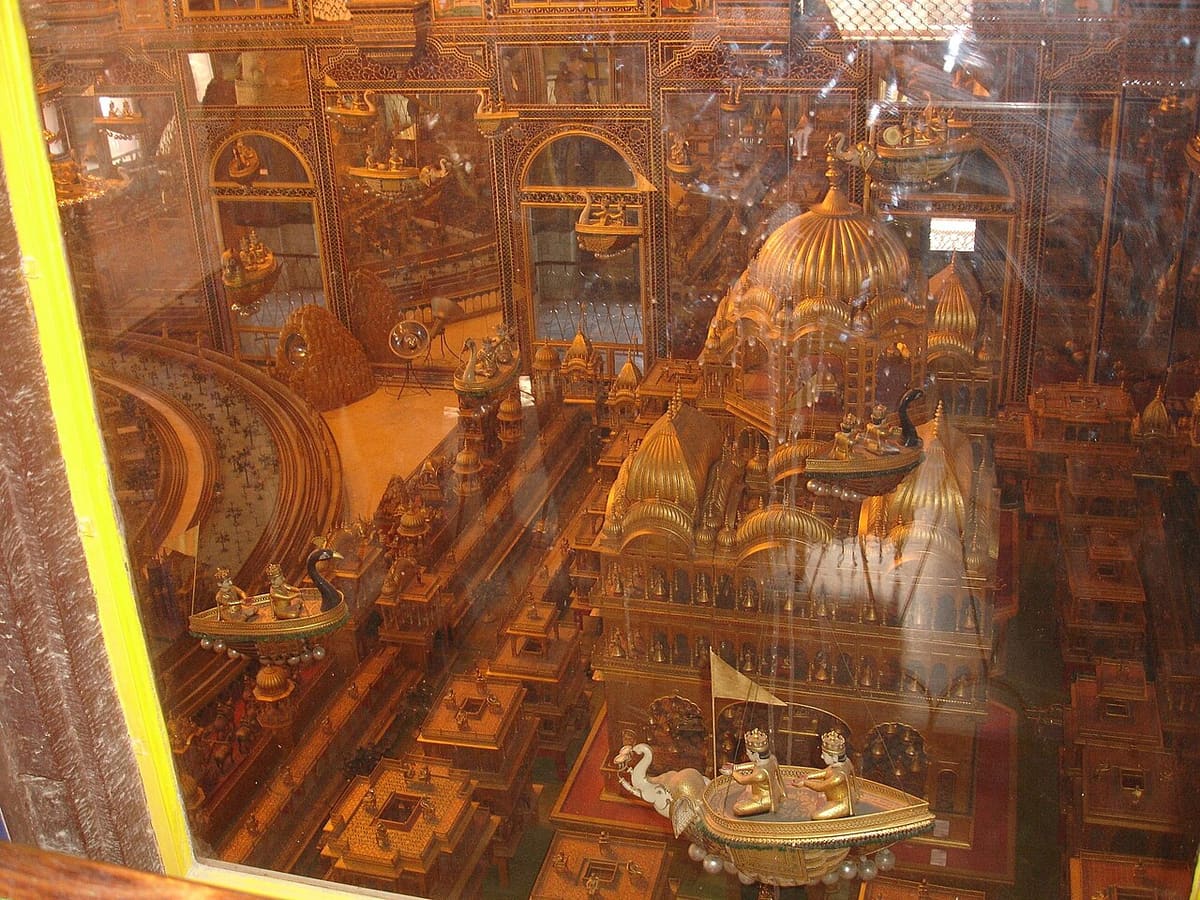
·2 km from city centerSoniji Ki Nasiyan
Ajmer Jain Temple or Soniji Ki Nasiyan is a Digambar Jain temple dedicated to Lord Rishabhdev (Agnidev), the first of the 24 Tirthankara of Jainism. The main attraction is the main chamber, known as the Swarna Nagari "City of Gold", which has several gold-plated wooden figures, depicting several figures in Jainism.
View Details

3.8
·27 km from city centerKishangarh City
Called as the marble city of India, Kishangarh city is a tourist spot in itself as the city is famous for it's art and culture, Bani Thani style of painting and the Kishangarh Fort. It is the only place in the world with a temple of nine planets.
View Details

3.6
·3 km from city centerCity Shopping
The lively markets of Ajmer are well-known for their exquisite momentoes such as embroidered apparel and shoes, silver and lac jewellery, black metal showpieces, handmade jute bags and more.
View Details
—
·6 km from city centerFoy Sagar Lake
Lake Foy Sagar is an artificial lake situated on the Foy Sagar Garden Road in Ajmer. It's a popular picnic spot during the winter. The lake resonates with peace and serenity and offers a 360 angle view of the neighbouring Aravalli peaks.
View Details

3.5
·2 km from city centerDurga bagh gardens
Durga Bagh is a charming garden on the banks of the majestic Ana Sagar Lake. The garden was built by Maharaja Shiv Dan in 1868 AD. The Marble pavilions (Baradari) built in the premises of the Daulat Bagh are the main attraction apart from the greenery and numerous trees and flowering plants. The pavilions were built by Emperor Shah Jahan. This plac
View Details
3.8
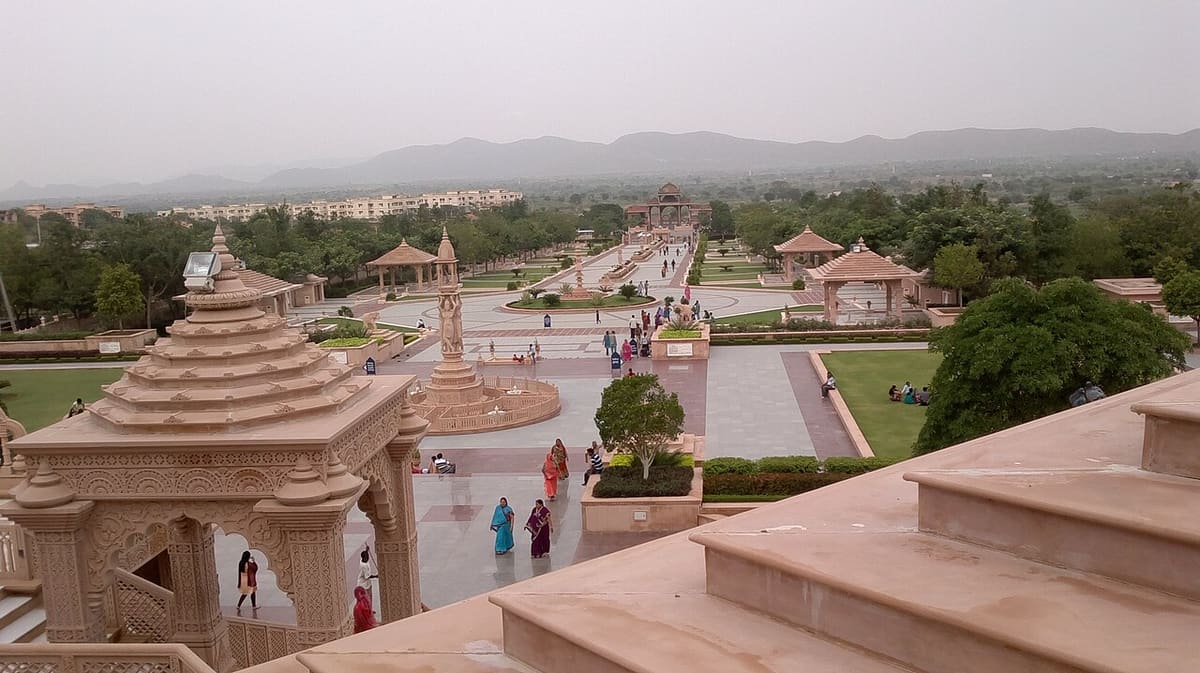
·6 km from city centerNareli Jain Temple
Nareli Jain Temple is a beautiful marble temple with angular and strikingly appealing designs. The temple is situated on the ranges of the Aravali Mountains that makes the views from the temple more scenic.
View Details
4.2
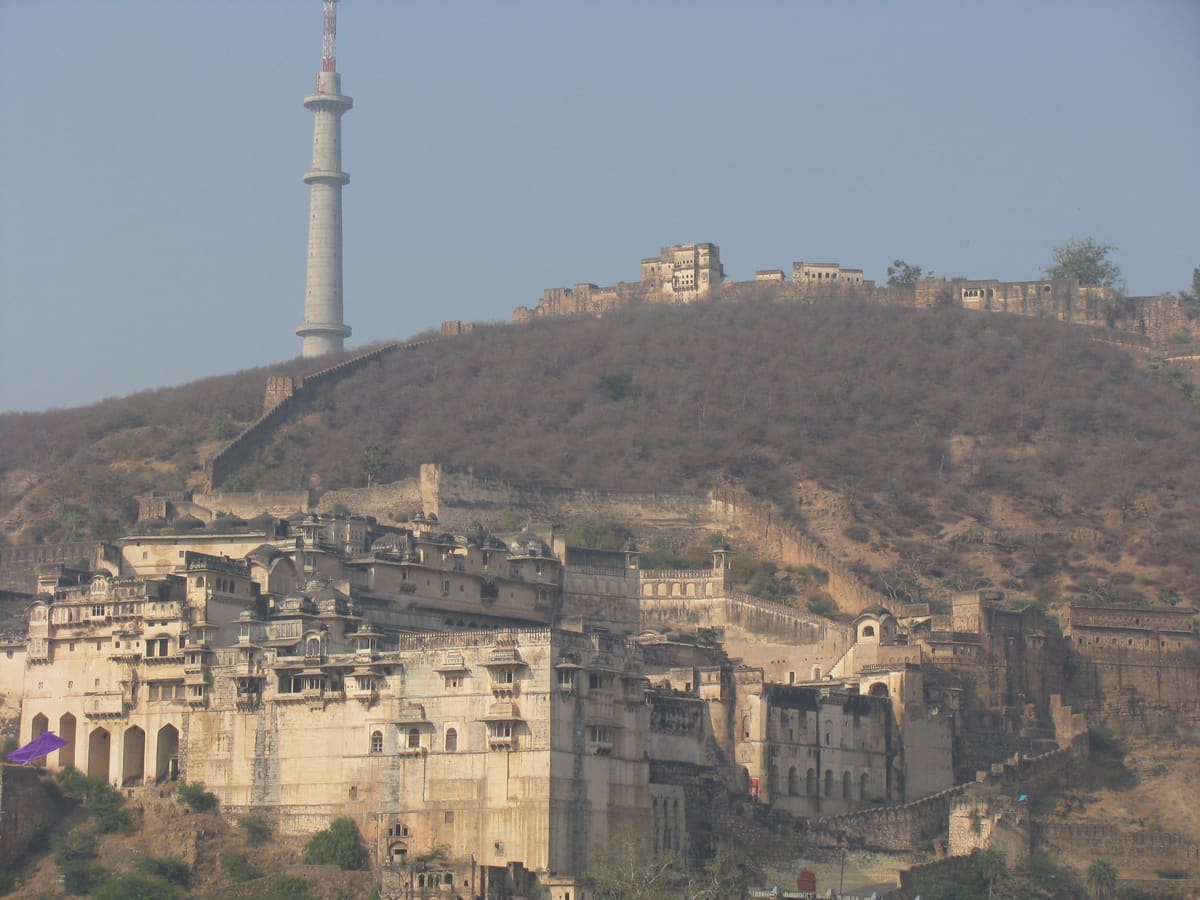
·2 km from city centerTaragarh Fort, Bundi
A rather ramshackle fort, with its overgrown vegetation, Taragarh Fort is one of the most famous places in Bundi, Rajasthan. Believed to be the first hill fort of Asia, Taragarh Fort is located on top of the Nagpahri Hill. The place is at its peak of beauty when the sun sets, and the entire city is immersed in the fading light of the setting sun.
View Details
3.7
·1 km from city centerClock tower
The Clock Tower at Ajmer was constructed in 1887 to mark Queen Victoria's Silver Jubilee which is why it is also known as Victoria Jubilee Clock Tower. It is a major landmark of Ajmer.
View Details

3.4
·6 km from city centerAbdulla Khan's Tomb
Abdulla Khan's Tomb is a splendid memoir constructed by the son of Abdulla Khan, Hussain Ali Khan, who was the minister of king Farrukhsiyar. Opposite to this is the tomb of Abdulla Khan's wife. It is one of the major attractions of Ajmer due to its historic importance and architectural beauty.
View Details
—
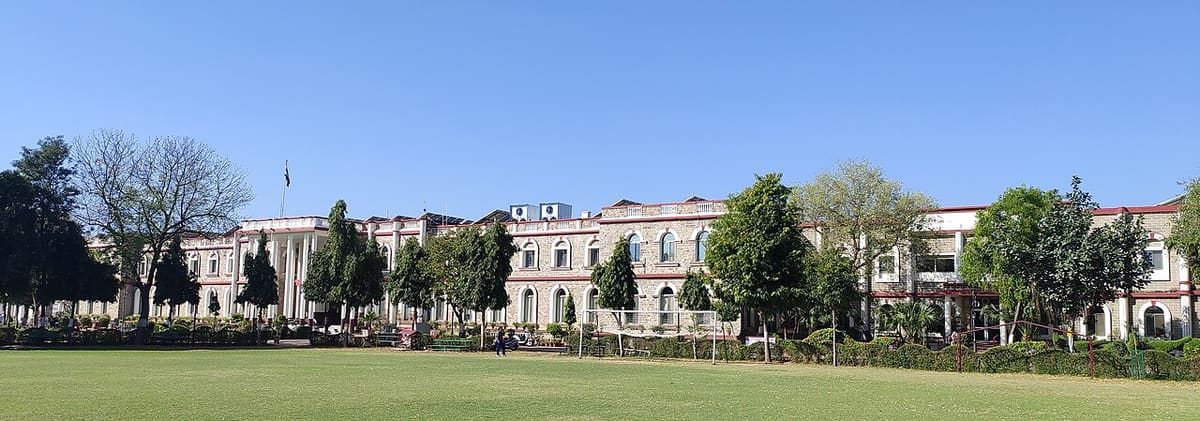
·2 km from city centerMayo College Museum
Housed in Jhalwar House, Mayo College Museum was ideated by Mr T. N. Vyas and is considered the largest school museum in the world. Spread over 18 rooms on the campus, the collection included old paintings, sculptures, photographs and coins.
View Details
3.2
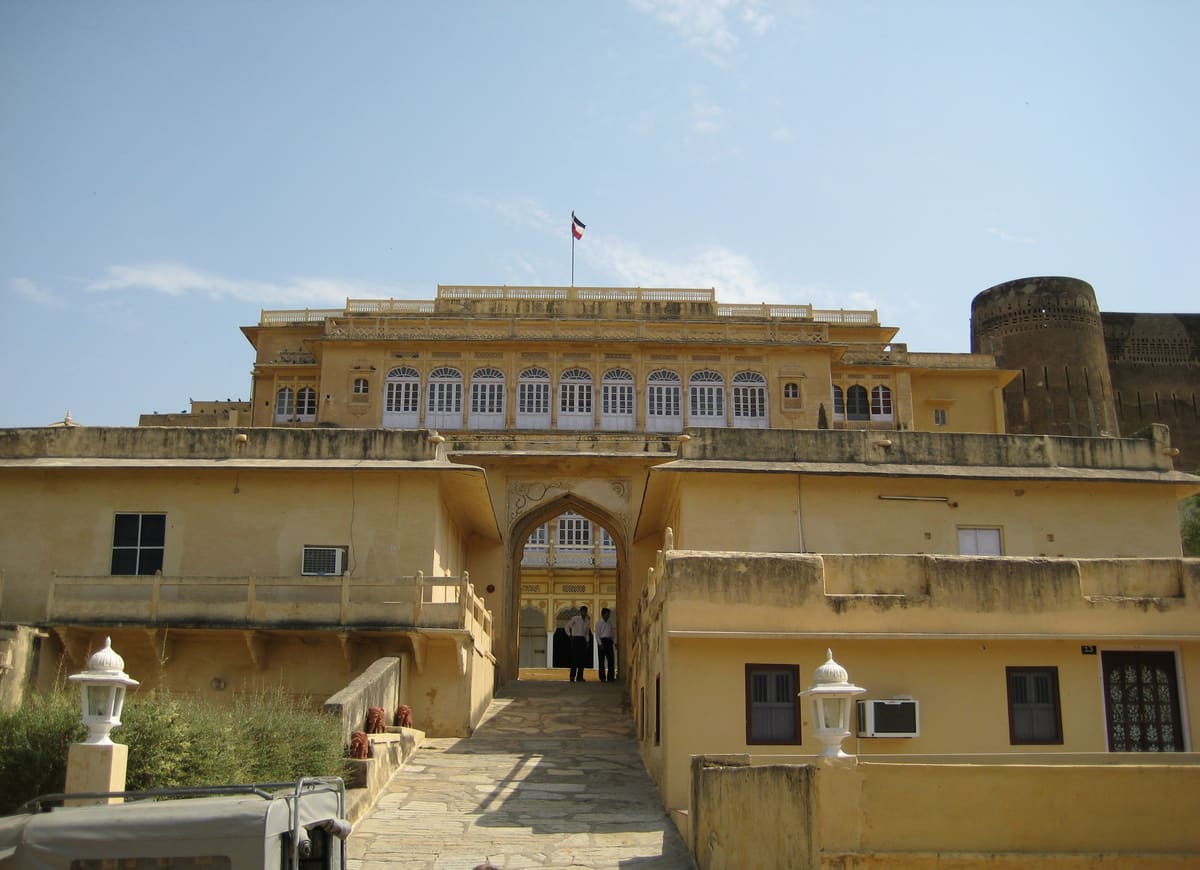
·43 km from city centerRoopangarh Fort
A palace and former fortress in the town of Roopangarh, Roopangarh Fort is a grand monument that has now been converted into a vibrant Heritage Hotel. The Fort was built in 1648 by Maharaja Roop Singh of Kishangarh.
View Details
Rating
3.8/ 5.0
Best Time
Duration1-2 Days
Attractions15
Plan Your Escape
Secure the Best Rates
Hotels
Booking.com
1M+ properties
Flights
Google Flights
Compare all airlines
Tours
Klook Deals
100K+ activities
Experiences
Viator
400,000+ experiences
Almanac earns a small commission at no extra cost to you.